
Unlocking Calm: Explore the Benefits of Mindful Breathing Exercises for Enhanced Well-being
In today’s fast-paced world, finding serenity can sometimes feel like searching for a needle in a haystack. Stress is a common fixture in many lives, whether it stems from work, relationships, or simply keeping up with daily tasks. However, there is a powerful tool at our disposal – one that is often underestimated yet remarkably effective. This tool is mindful breathing exercises, a cornerstone practice in the pursuit of enhanced well-being. In this blog post, we delve deep into how unlocking calm through mindful breathing exercises can transform your life, making you healthier, more focused, and at peace.
Introduction to Mindful Breathing
Mindful breathing is a form of meditation that involves focusing your attention on your breath, the inhale and exhale, to foster a sense of awareness and calm. It requires no special equipment, making it accessible to anyone, anywhere. The beauty of mindful breathing lies in its simplicity. It can be practiced for as little or as long as needed – a few minutes during a break at work, or longer sessions to deeply unwind.
How Does Mindful Breathing Enhance Well-being?
Mindful breathing exercises work on several levels to boost well-being:
-
Reducing Stress and Anxiety: Engaging in mindful breathing activates the body’s parasympathetic nervous system – the counterpart to the fight-or-flight response. This activation encourages the body to rest, which helps lower stress and anxiety levels.
-
Improving Focus and Concentration: Regular practice of mindful breathing can improve your concentration and focus by increasing the amount of blood flow to your prefrontal cortex – the area of the brain responsible for these cognitive functions.
-
Enhancing Emotional Health: By practicing mindful breathing, you can achieve a greater sense of emotional balance, which aids in dealing with mood swings and emotional stresses more effectively.
-
Boosting Physical Health: Mindful breathing can also lead to physical benefits such as reduced heart rate and blood pressure, improving overall cardiovascular health.
Practical Guide to Start Mindful Breathing Exercises
-
Find a Comfortable Position: Begin by sitting in a comfortable position. You could be on a chair, a pillow on the floor, or anywhere that supports your back and allows you to relax.
-
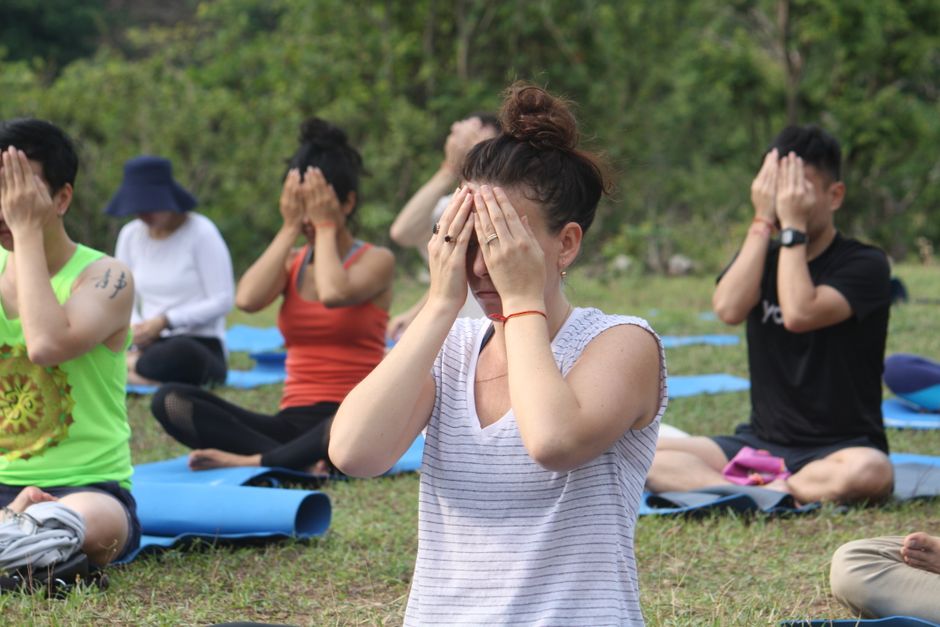
Close Your Eyes: Gently close your eyes, or lower your gaze, minimizing external visual distractions.
-
Focus on Your Breath: Pay attention to the natural inhalation and exhalation of your breath. Sense the breath as it enters through your nose, travels down to your lungs, and back out through your nostrils.
-
Acknowledge Distractions: It’s natural for the mind to wander. When you notice your attention has drifted, gently redirect it back to your breathing.
-
Incorporate Counting: If focusing on breathing alone is challenging, try counting your breaths. Count one on the inhale, two on the exhale, up to ten, then start back at one.
-
Practice Regularly: Like any other skill, the benefits of mindful breathing increase with practice. Aim to practice daily, starting with just a few minutes and increasing the duration as you grow more comfortable.
FAQs on Mindful Breathing Exercises
Q1: How long should I practice mindful breathing to see benefits?
A: Benefits can be noticed even after one session, especially in terms of relaxation. For long-term benefits like improved focus and emotional regulation, regular practice is essential. Aim for at least 5-10 minutes daily.
Q2: Can mindful breathing help with sleep?
A: Absolutely! Mindful breathing exercises before bed can calm the mind and prepare the body for rest, making it easier to fall asleep and improve the quality of sleep.
Q3: Is there anyone who should not practice mindful breathing?
A: Mindful breathing is very safe, but if you have any respiratory issues or medical concerns, it’s always a good idea to consult with a healthcare provider first.
Conclusion
Unlocking calm and enhancing well-being through mindful breathing exercises offers a gateway to not only managing stress and anxiety but also improving your overall quality of life. With the simplicity of its application and the breadth of its benefits, mindful breathing stands out as a powerful tool in the arsenal of personal health and well-being strategies. Start incorporating mindful breathing into your daily routine and witness a transformation in your mental, emotional, and physical health. Remember, the journey to a calmer, more centered self is just a breath away. Embrace the practice, and let the subtle yet profound act of breathing mindful reshape your experience of daily life.