
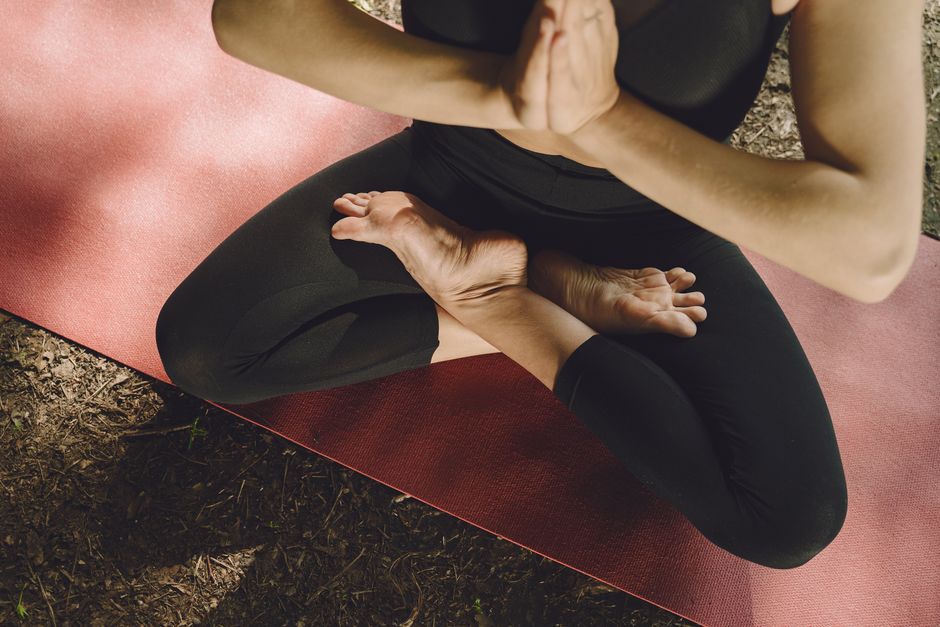
Meditation for Anxiety and Overthinking: Techniques to Calm Your Mind and Enhance Your Well-being
In an ever-accelerating world, where stress seems to lurk around every corner, it’s no wonder that anxiety and overthinking have become all too familiar companions for many of us. Fortunately, amidst the chaos, there’s a serene oasis to be found through the practice of meditation. Meditation for anxiety and overthinking isn’t just an ancient spiritual practice but a validated modern-day tool that can significantly calm your mind and enhance your well-being.
Understanding Meditation and Its Relevance Today
Meditation involves engaging in mental exercises, such as mindfulness or concentrating on a particular thought or object. These practices train attention and awareness, aiming to achieve mental clarity and emotional calmness. In recent years, the practice has gained traction not only as a spiritual tool but also as a practical technique to manage stress and improve overall mental health.
Why Consider Meditation for Anxiety and Overthinking?
Anxiety and overthinking can trap us in a vicious cycle of stress. Overthinking often leads to more anxiety, and more anxiety can lead to more overthinking. Break this cycle with meditation techniques specifically designed to calm your mind and manage these overwhelming thoughts.
Effective Meditation Techniques to Calm Your Mind and Enhance Your Well-being
-
Mindfulness Meditation:
Mindfulness involves staying present and fully engaging with the now, without judgment. By focusing on the present, it can prevent you from dwelling on past mistakes or worrying about the future. Start with just a few minutes a day, focusing on your breath or bodily sensations, and gradually increase the duration. -
Guided Visualization:
This technique involves forming mental images of places or situations you find relaxing. Imagine yourself in a peaceful setting, and focus on the sensory experiences to engage deeply with the moment. This method is particularly effective for those who find it difficult to focus during more traditional forms of meditation. -
Progressive Muscle Relaxation (PMR):
PMR is a two-step process where you systematically tense and relax different muscle groups in the body. This helps in recognizing what tension—as well as complete relaxation—feels like in different parts of the body. It can be particularly beneficial for physical symptoms of anxiety, such as muscle tension. -
Breathing Exercises:
Simple breathing techniques can serve as a quick rescue from moments of anxiety. One common practice is the 4-6-8 technique, where you inhale for 4 seconds, hold the breath for 6 seconds, and exhale slowly for 8 seconds. This helps in regulating the heart rate and calming the mind. -
Mantra Meditation:
In this form of meditation, you silently repeat a calming word, thought, or phrase to prevent distracting thoughts. A mantra can be as simple as the word “peace” or a phrase like “I am calm.”
Getting Started with Meditation for Anxiety and Overthinking
To embark on your journey of meditation, here are some tips:
- Find a Quiet Space: Ensure you have a quiet, private spot where you won’t be disturbed.
- Set a Regular Time: Consistency is key. Try to meditate at the same time every day.
- Comfort is Key: Wear comfortable clothes and use aids like cushions if needed.
- Keep Expectations Realistic: Meditation is a skill that takes time to develop. Be patient with your progress.
FAQs on Meditation for Anxiety and Overthinking
-
How long should I meditate to see a difference in my anxiety levels?
While even a few minutes can provide immediate relief, long-term benefits are typically observed with regular practice over several weeks or months. -
Is it normal for my mind to wander during meditation?
Absolutely. It’s a natural aspect of human cognition. Acknowledge the wandering and gently bring your focus back to your meditation anchor. -
Can meditation replace anxiety medication?
While meditation is a powerful tool, it’s important to follow your healthcare provider’s advice regarding medication and therapy. -
Are there any apps that can help with meditation for anxiety and overthinking?
Yes! Apps like Headspace, Calm, and Insight Timer offer guided meditations tailored for anxiety and stress.
Conclusion
Meditation for anxiety and overthinking is more than just a technique; it’s a pathway to a calmer mind and a more fulfilling life. Engaging in meditation can help dismantle the chains of anxiety and chronic overthinking, paving the way for improved mental health and well-being. As you continue to practice, you’ll find that the peace you achieve during meditation begins to permeate all areas of your life, giving you the resilience to face life’s challenges with a stronger, calmer mind.