
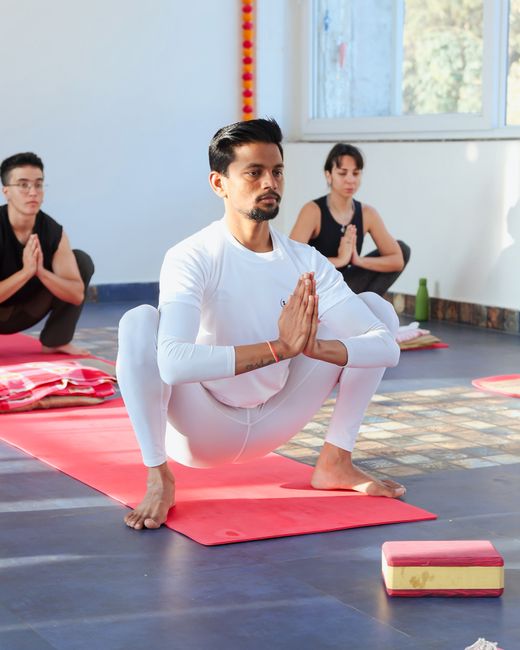
Discover Peace: How Meditation Calms Anxiety and Quiets Overthinking
In today’s fast-paced world, anxiety and overthinking can often take the driver’s seat, steering many of us into spirals of stress and worry that seem endless. Yet, amidst the hustle and buzz, an ancient practice offers refuge and relief. Meditation, a practice as old as history itself, has proven its effectiveness in calming anxious minds and quieting overactive thoughts. In this blog post, we delve into how embracing meditation can help you discover peace, manage anxiety, and control overthinking.
Introduction to Meditation and its Benefits
Meditation involves engaging in mental exercises such as mindfulness or focusing the mind on a particular object, thought, or activity. These techniques are practiced to achieve a mentally clear and emotionally calm state. Over the years, meditation has garnered significant attention from the scientific community, which has documented its numerous benefits. Chief among these are its ability to reduce stress, control anxiety, and promote emotional health.
When you commit to a regular meditation practice, you embark on a journey to Discover Peace: How Meditation Calms Anxiety and Quiets Overthinking. This calming ritual not only helps detach from the chaotic external environment but also deepens the understanding of one’s thoughts and feelings.
How Meditation Calms Anxiety
-
Activates the Relaxation Response: Regular meditation triggers the body’s relaxation response, a state of restfulness that is the polar opposite of the stress response. When you meditate, your heart rate slows and your breath deepens, sending signals to your brain that it’s time to unwind and decompress. This physiological change is a cornerstone in effective anxiety management.
-
Decreases Stress Hormones: Meditation contributes to a significant reduction in levels of cortisol, the body’s primary stress hormone. Lower cortisol levels are associated with decreased anxiety and an improved overall mood.
-
Enhances Self-awareness: By increasing self-awareness, meditation allows individuals to recognize anxiety-inducing thoughts and emotions without judgment. This mindfulness encourages a shift from a reactive state to a more reflective and proactive demeanor, which is essential in managing anxiety.
-
Improves Sleep: Anxiety often disrupts sleep, creating a vicious cycle of mental exhaustion and increased anxiety. Meditation can break this cycle by enhancing the quality of sleep, allowing the mind and body to rest and recover.
Quieting Overthinking Through Meditation
-
Mindfulness Meditation: This form of meditation is particularly effective at battling overthinking. It teaches you to observe your thoughts and feelings without engagement, helping break the cycle of rumination and worry.
-
Focused Attention Meditation: Techniques such as focusing on the breath or a mantra can redirect your attention from overwhelming thoughts to a single point of reference, simplifying mental chatter and allowing for moments of peace.
-
Compassionate Meditation: Also known as loving-kindness meditation, it encourages an attitude of kindness and compassion toward oneself and others, which can be markedly beneficial for those plagued by negative thoughts.
Integrating Meditation into Your Daily Routine
Starting a meditation practice might seem daunting at first, but even a few minutes a day can make a difference. Here’s how you can incorporate meditation into your daily life to discover peace:
- Set a Regular Time: Whether it’s morning, midday, or evening, find a time that works best for you and stick to it to build consistency.
- Create a Calming Environment: Use a quiet space where you won’t be disturbed. You might like to include comforting elements such as cushions, candles, or soothing music.
- Use Guidance: For beginners, guided meditations can be particularly helpful. Numerous apps and online resources offer guided sessions that can help you focus and get the most out of your practice.
FAQs
Q1: How long should I meditate to see benefits?
A1: While duration can vary, starting with 5-10 minutes a day can be beneficial. As you grow more comfortable, you can gradually increase the time.
Q2: Is meditation religious?
A2: Meditation is a practice used in various religious traditions, but it can be practiced secularly as a form of mental training.
Q3: What do I do if I can’t focus during meditation?
A3: It’s completely normal for your mind to wander. Each time you notice your focus drifting, gently redirect your attention back to the meditation without judgment.
Conclusion
Discovering peace through meditation offers a holistic and nurturing path toward managing anxiety and overthinking. As you continue on this journey, remember that meditation is a practice, and like all skills, it improves with consistency and dedication. By allowing yourself these moments of quiet and reflection, you’re not just calming your mind for today, but you’re also building resilience for tomorrow. Embrace the practice of meditation and discover the tranquility that lies in the mindful mastery of your thoughts, empowering you to lead a calmer, more fulfilling life.