
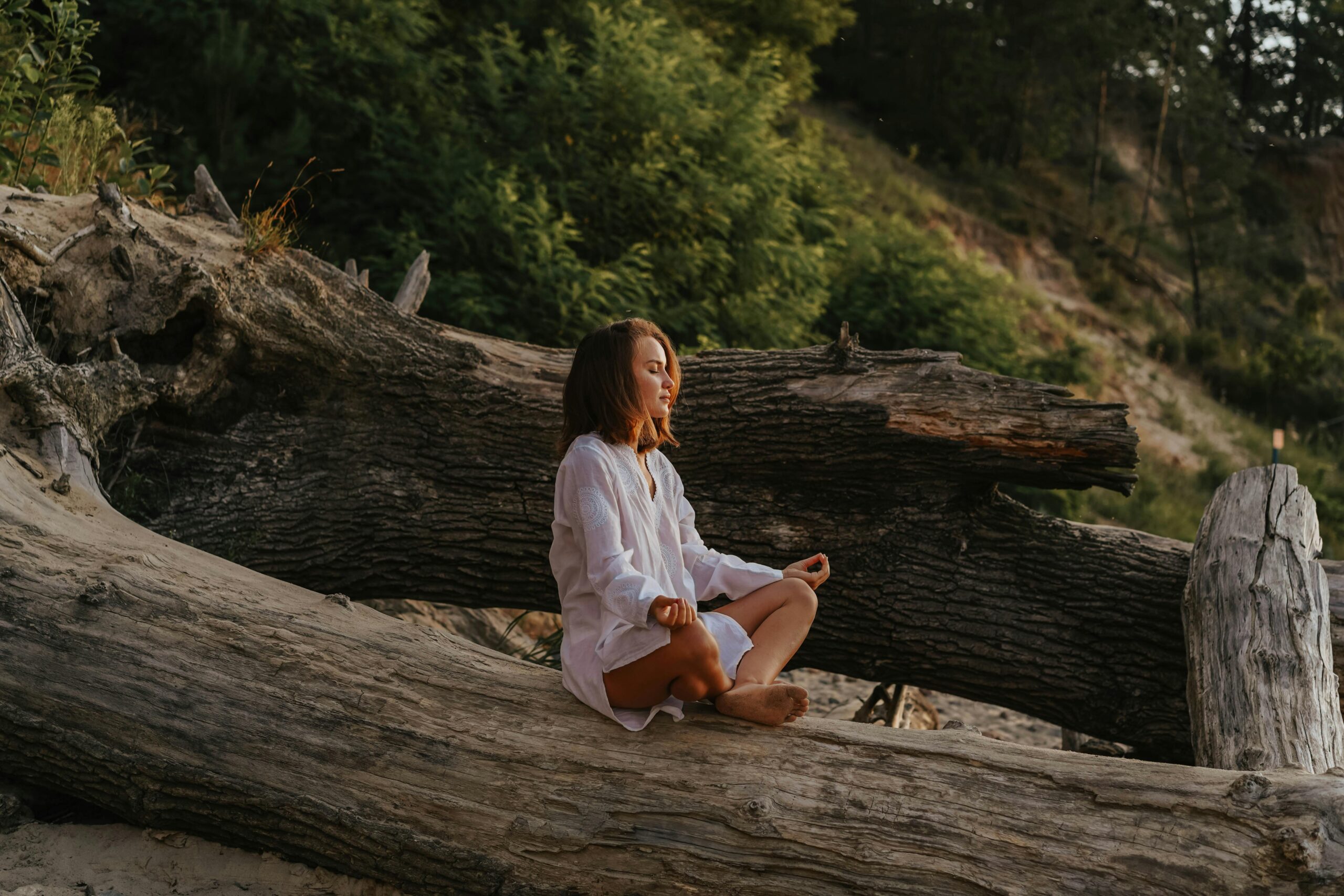
Exploring Inner Peace: How Yoga for Self Awareness Enhances Meditation Practices
In today’s fast-paced world, finding moments of peace and solitude can feel like a distant dream. However, integrating practices like yoga and meditation into your daily routine can be transformative, leading to a profound sense of inner peace and heightened self-awareness. Particularly, yoga for self-awareness has shown remarkable efficacy in enhancing meditation practices, offering individuals a pathway to better mental health and holistic well-being.
Understanding Yoga for Self Awareness
Yoga is not just about physical postures; it’s a deep, immersive practice that embodies mindfulness, breath control, and meditation. Yoga for self-awareness focuses on fostering a deeper connection between the mind, body, and spirit, allowing practitioners to tune into their inner selves. Through various asanas (poses), breathing techniques, and meditation, yoga encourages a state of awareness that is both enlightening and grounding.
This type of yoga involves deliberate movements and breath work that help practitioners observe their bodily sensations and mental activities, guiding them gently towards a state of inner observation without judgment. This self-reflective process not only enhances physical flexibility and strength but also facilitates a deeper understanding of one’s thoughts and emotions.
How Yoga Enhances Meditation Practices
Integrating yoga for self-awareness into your routine can significantly boost your meditation efforts. Here’s how:
-
Improves Concentration: Yoga poses require focus and precision, which can help sharpen your concentration skills. When you transition from a yoga session to meditation, this enhanced focus can lead you to a deeper, more fruitful meditative experience.
-
Regulates Breathing: Pranayama, or yogic breathing, teaches control and expansion of breath. Regular practice can improve lung capacity and oxygenation of the body, setting a serene stage for meditation where controlled breath plays a pivotal role.
-
Eases Physical Discomfort: Long periods of meditation can sometimes lead to physical discomfort due to static postures. Practicing yoga can increase your flexibility and endurance, making it easier to sit in meditation for longer without feeling physically strained.
-
Reduces Stress and Anxiety: Yoga is renowned for its ability to relieve stress, thanks to the soothing nature of its practices. Lower stress levels can open the door to a more relaxed and effective meditation, facilitating a clearer mind and reduced anxiety.
-
Promotes Emotional Stability: The self-awareness cultivated through yoga can bring unresolved emotions and subconscious thoughts to the surface. This understanding allows practitioners to approach meditation with a more stable, balanced emotional base.
FAQs on Exploring Inner Peace through Yoga and Meditation
Q1: How often should I practice yoga to enhance my meditation?
A: While the frequency can vary based on individual preference and schedule, practicing yoga 3-4 times a week can significantly enhance meditation practices by building mental focus and physical stamina.
Q2: Are there specific yoga poses that are more effective for boosting meditation?
A: Yes, poses like Balasana (Child’s Pose), Padmasana (Lotus Pose), and Sukhasana (Easy Pose) are especially good for cultivating mindfulness and preparing the body and mind for meditation.
Q3: Can beginners effectively practice yoga for self-awareness?
A: Absolutely! Beginners are encouraged to start with simpler poses and gradually move to more complex ones as they gain confidence and flexibility. It’s also helpful to attend classes or watch guided videos initially to ensure correct posture and alignment.
Q4: How long should a meditation session last post-yoga?
A: Meditation sessions can vary in length, but starting with 5-10 minutes is ideal for beginners. Over time, as you build endurance and focus, you can extend the duration to 20 minutes or longer.
Q5: What are the mental health benefits of combining yoga and meditation?
A: The combination of yoga and meditation can lower stress levels, reduce symptoms of anxiety and depression, enhance cognitive function, and improve overall emotional well-being.
Conclusion: Embracing a Journey Towards Inner Peace
Exploring inner peace through yoga for self-awareness that enhances meditation practices is more than just a wellness trend; it’s a transformative journey that enriches your life from the inside out. By incorporating these spiritual and physical practices into your daily life, you set the stage for a journey filled with increased clarity, emotional stability, and heightened mindfulness.
So, whether you’re a seasoned practitioner or a curious beginner, embracing yoga for self-awareness can profoundly impact your meditation practices and lead you to discover the peaceful oasis that lies within.
