
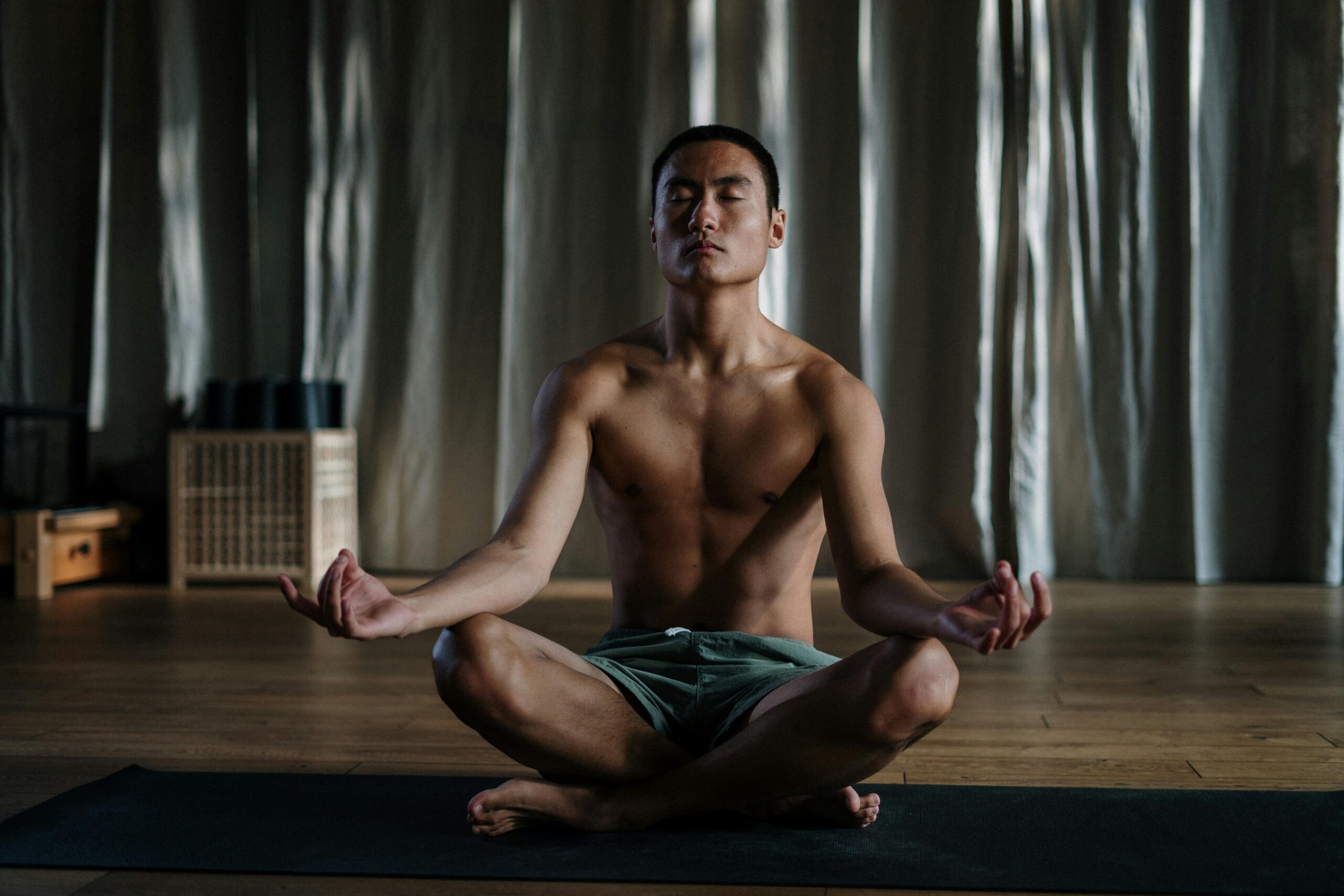
Exploring Yoga Mindfulness for Mental Health: A Path to Inner Peace
In today’s fast-paced world, mental health has become a priority for many. Amid the chaos and the stress, finding peace and maintaining mental well-being can be challenging. However, there’s a powerful tool that has been gaining popularity not just for its physical benefits but also for its profound impact on mental health: yoga mindfulness. Exploring yoga mindfulness for mental health is not just about stretching and holding poses; it’s a journey towards achieving inner peace and a healthier state of mind.
Introduction to Yoga Mindfulness
Yoga mindfulness is an integrative approach that combines traditional yoga practices with mindfulness techniques. Rooted in ancient traditions, it focuses on the harmonious development of the body and the mind. Engaging in this practice can help enhance focus, reduce stress, and cultivate an overall sense of well-being.
Yoga is not only about physical flexibility; it’s equally about mental flexibility. By integrating mindfulness, the practice of maintaining a moment-by-moment awareness of our thoughts, emotions, bodily sensations, and surrounding environment, yoga becomes a more holistic experience. Exploring yoga mindfulness for mental health means engaging in a practice that encourages us to stay present and connected, leading us toward a path of inner peace.
What Are the Mental Health Benefits of Yoga Mindfulness?
-
Reduces Stress and Anxiety: Regular practice has been shown to lower levels of stress and anxiety. The combination of movement and breath control inherent in yoga mindfulness helps down-regulate the body’s stress response, promoting relaxation.
-
Enhances Emotional Health: Engaging in mindfulness during yoga encourages practitioners to observe their emotions without judgment. This awareness can lead to an improved mood and increased emotional resilience.
-
Improves Concentration and Focus: Both yoga and mindfulness require a high level of focus. Regular practice can enhance cognitive functions, leading to better concentration and memory.
-
Promotes Self-Awareness and Self-Regulation: As you become more attuned to your physical and emotional states, you develop a deeper understanding of yourself, which can help in managing your reactions in stressful situations.
How to Start Practicing Yoga Mindfulness for Mental Health
For beginners, it can be helpful to start with guided sessions that could be available at local yoga studios or online platforms. Here’s a simple way to integrate mindfulness into a yoga practice:
- Choose a Quiet Space: Begin by finding a quiet and comfortable place where you can practice without interruptions.
- Set an Intention: Before beginning your practice, set an intention. It could be anything from staying focused on your breath to releasing anger.
- Focus on Your Breath: Breath control, or pranayama, is a core part of yoga. Pay attention to your breathing as this helps keep your mind focused and anchors you in the present moment.
- Observe Without Judgment: As you move through different postures, observe how your body feels and how your mind reacts to these sensations without criticism or judgment.
- Regular Practice: Consistency is key. Even a few minutes a day can be beneficial in cultivating mindfulness and enhancing mental health.
FAQs About Exploring Yoga Mindfulness for Mental Health
Q: Do I need any special equipment to start practicing yoga mindfulness?
A: No special equipment is required. However, a yoga mat and comfortable clothing can help enhance your practice.
Q: How long does it take to see the mental health benefits of yoga mindfulness?
A: The benefits can be felt immediately in terms of relaxation and a quieted mind, but longer-term benefits such as enhanced emotional resilience and improved focus might require consistent practice over a few weeks or months.
Q: Can yoga mindfulness replace therapy or medication?
A: While yoga mindfulness is a powerful tool for mental wellness, it is not a substitute for professional medical treatment. It can be used complementarily, but it’s important to consult healthcare providers concerning serious mental health issues.
Q: Are there different styles of yoga suitable for mental health?
A: Yes, various styles offer different intensities and focuses. For mental health, gentler styles like Hatha, Kundalini, or Restorative yoga can be particularly beneficial.
Q: Is yoga mindfulness suitable for everyone?
A: Yes, people of all ages and fitness levels can practice yoga mindfulness. It’s about finding the style and pace that feels right for you.
Conclusion
Exploring yoga mindfulness for mental health is truly a path to inner peace. By combining the physical postures of yoga with the mental focus of mindfulness, individuals can embark on a transformative journey that enhances not just their body’s well-being but also their mind. Whether you’re dealing with daily stress, anxiety, or other mental health challenges, incorporating yoga mindfulness into your routine can be a valuable part of your wellness journey. Embrace the serenity that comes with this practice and step forward toward a more peaceful and balanced life.
Remember, this journey is personal and unique to every individual. Feel free to adapt the practices and integrate them into your life in a way that feels most natural and beneficial to you.
