
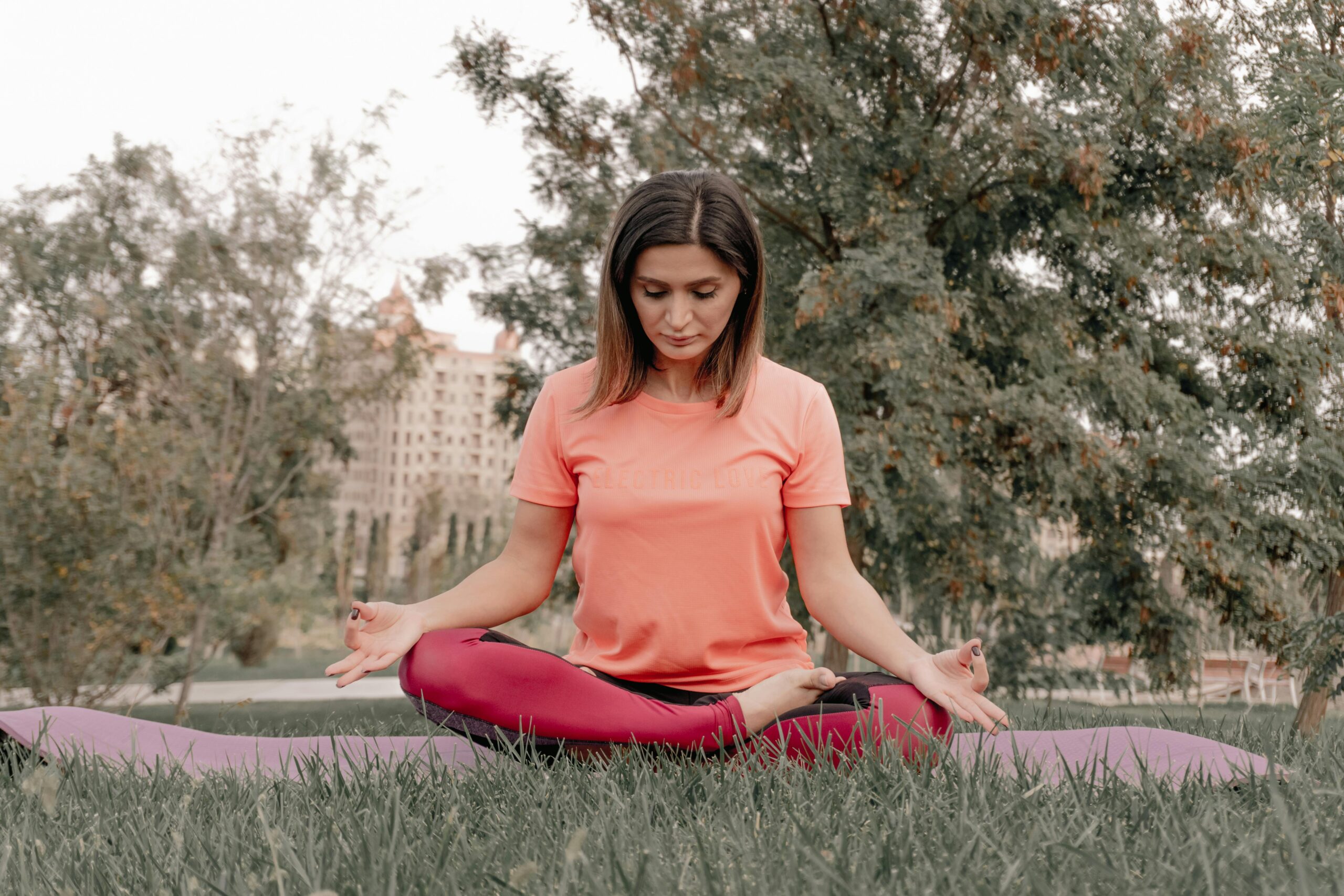
Mastering Calm: Explore Yoga Breathing Meditation Techniques for Serenity
Introduction
In our fast-paced world filled with constant demands and distractions, finding moments of true calm and serenity seems rarer and ever more necessary. One of the most effective methods to achieve this state of tranquility is through yoga breathing meditation techniques. Not only do these techniques promise to lower stress levels, but they also offer a bevy of health benefits, ranging from improved mental focus to enhanced respiratory efficiency. In this comprehensive guide, we will explore how Mastering Calm: Explore Yoga Breathing Meditation Techniques for Serenity can help you reconnect with your inner peace.
What is Yoga Breathing Meditation?
Yoga Breathing Meditation, commonly referred to as Pranayama in Sanskrit, is a crucial aspect of the yoga practice focusing on the art of breath control. This involves various techniques designed to manipulate breath length, speed, and depth. The ultimate goal is to strengthen the connection between mind and body, enhancing overall well-being.
Significance of Breathing in Yoga
Breathing is the essence of life, and in yoga, it’s considered a vital life energy known as ‘Prana’. Pranayama practices emphasize the importance of controlling this life energy through breath, which is thought to cleanse the body and calm the mind, leading to spiritual awakening.
Core Techniques in Yoga Breathing Meditation
1. Ujjayi Pranayama (The Ocean Breath)
-
How to Do It: Begin by inhaling deeply through your nose. As you exhale through the mouth, constrict your throat to create a whispering sound, similar to the waves of an ocean. This technique is particularly useful during your yoga asanas (poses) as it helps to concentrate and maintain a rhythmic flow in movements.
-
Benefits: Calms the mind, heats the body, increases oxygenation, and builds internal body heat.
2. Anulom Vilom Pranayama (Alternate Nostril Breathing)
-
How to Do It: Sit in a comfortable position with your back straight. Close your right nostril with your thumb and inhale through your left nostril. Close it with your ring finger, open the right nostril, and exhale. Inhale through the same right nostril, close it, and exhale through the left to complete one cycle.
-
Benefits: Enhances cardiovascular function, relieves stress, and balances both hemispheres of the brain.
3. Kapalabhati Pranayama (Skull Shining Breath)
-
How to Do It: Begin by sitting in a comfortable meditative pose. Take a deep breath and exhale forcefully through your nostrils by contracting your abdominal muscles. Let the inhalation occur naturally. Repeat the forceful exhalation in quick succession.
-
Benefits: Cleanses the lungs and nasal passages, energizes the body, and clarifies the mind.
4. Bhramari Pranayama (Bee Breath)
-
How to Do It: Close your ears with your thumbs, place your fingers over your eyes. Take a deep breath in, and as you exhale, make a loud humming sound like a bee.
-
Benefits: Reduces stress and anxiety, calms the nerves, and improves concentration and memory.
FAQs on Mastering Calm: Explore Yoga Breathing Meditation Techniques for Serenity
Q1: How long should I practice these breathing exercises?
A1: Beginners should start with 5-10 minutes of pranayama and gradually increase the duration as they become more comfortable with the practices.
Q2: Are there any contraindications for practicing pranayama?
A2: Yes, some breathing techniques can be intense and might not be suitable for individuals with certain health conditions like hypertension or recent surgeries. Always consult with a healthcare provider before starting any new exercise regimen.
Q3: Can I practice these breathing techniques at any time of the day?
A3: While you can practice most techniques any time, it is generally recommended to do them on an empty stomach, ideally early in the morning or before sleeping for optimal benefits.
Q4: Do I need to be experienced in yoga to start pranayama?
A4: Not necessarily. While familiarity with yoga can enhance your pranayama practices, many beginners can effectively perform these breathing techniques with proper guidance.
Conclusion
Mastering Calm: Explore Yoga Breathing Meditation Techniques for Serenity offers an effective pathway to manage stress and enhance your overall well-being. Integrating these practices into your daily routine can not only boost your physical health but also empower you to maintain mental clarity and emotional balance. Whether you’re a seasoned yogi or a curious newcomer, embarking on this journey towards mastering calm through yoga breathing meditation is a rewarding venture that promises profound and lasting benefits. Sit down, breathe deep, and let the serenity embrace your soul.
