
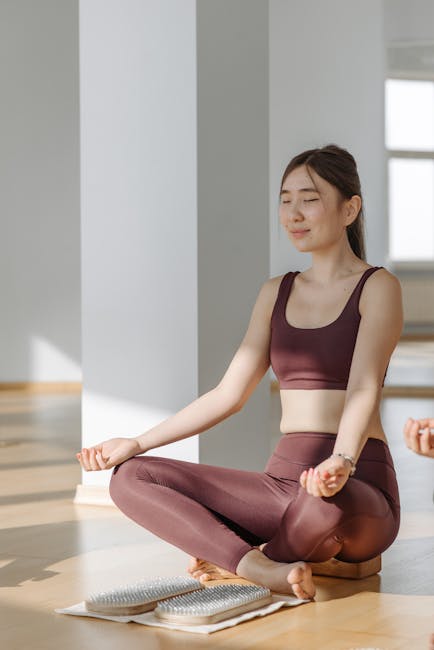
Integrating Yoga and Mindfulness Practices into Your Daily Routine
In the fast-paced world we live in, finding time to pause and rejuvenate is more crucial than ever. Incorporating yoga and mindfulness practices into your daily routine can be a transformative strategy, helping you manage stress, enhance concentration, and improve overall well-being. Despite common misconceptions, you don’t need to spend hours to reap the benefits; even a few minutes can be significantly impactful. Let’s dive deeper into why and how you can seamlessly integrate these practices into your lifestyle.
Why Integrate Yoga and Mindfulness into Your Daily Routine?
Yoga and mindfulness are interconnected practices that focus on cultivating a deeper connection between the mind and body. They teach you how to pause, reflect, and gain control over your reactions to the external world. Regular practice can help reduce stress, increase physical flexibility and strength, elevate mood, and improve mental clarity.
Additionally, integrating yoga and mindfulness practices into your daily routine can lead to better sleep patterns, enhanced immune function, and more efficient digestion due to reduced stress levels and improved bodily awareness.
Tips for Integrating Yoga and Mindfulness into Your Everyday Life
-
Start Small:
Begin with just a few minutes a day. Even a five-minute morning meditation or a few yoga stretches can set a positive tone for the day. Gradually increase the time as you get more accustomed to the routines. -
Create a Dedicated Space:
Designate a specific area in your home for your practice. It doesn’t have to be large; a small, quiet corner where you can lay down a yoga mat and perhaps light a candle or two is sufficient. This creates a physical space dedicated to mental space and practice. -
Schedule Your Practice:
Much like you schedule business meetings or doctor’s appointments, adding yoga and mindfulness to your calendar increases the likelihood that you’ll stick to the routine. Early mornings or evening times are typically preferred by many, but choose what works best for you. -
Use Apps and Online Resources:
There is an abundance of apps and online content designed to guide you through different yoga and mindfulness exercises. This can be particularly helpful if you’re a beginner or struggling to fit sessions into a hectic schedule. -
Be Patient and Consistent:
The benefits of yoga and mindfulness build over time with consistent practice. It’s also normal to have days where your mind feels particularly restless; don’t be discouraged, this is all part of your journey in mindfulness. -
Integrate Mindful Moments throughout Your Day:
Aside from dedicated practice times, try to incorporate mindful breathing or conscious awareness into other parts of your day. Take a moment to focus on your breath before starting the car, or practice mindful eating during lunch.
Practical Yoga Poses and Mindfulness Exercises
-
For the Morning: Sun Salutations (Surya Namaskar) are great for waking up the body and mind. Pair this with a brief session of mindful breathing, focusing solely on your inhale and exhale.
-
For Work Breaks: Incorporate desk yoga stretches like neck rolls and shoulder shrugs. Use your breaks to practice mindfulness by simply observing your surroundings or your current emotions without judgement.
-
For the Evening: Try gentle yoga poses like Child’s Pose (Balasana) or Legs Up the Wall (Viparita Karani) to unwind. Practice a gratitude meditation, focusing on three things you were grateful for in your day.
FAQs on Integrating Yoga Mindfulness Practices into Your Daily Routine
Q1: How long should I practice yoga and mindfulness each day?
A1: Start with whatever time you can comfortably fit into your schedule, even if it’s just five minutes. The key is regularity rather than duration.
Q2: What are the best times during the day to practice yoga and mindfulness?
A2: While mornings and evenings are popular choices due to their naturally reflective nature, any time that fits your schedule is beneficial.
Q2: Do I need any special equipment?
A3: A basic yoga mat is sufficient for beginners, along with comfortable clothing that allows for movement. As you progress, you might choose to add props like blocks or straps, which can be used to aid certain poses.
Q4: Can yoga and mindfulness help with anxiety?
A4: Yes, many people find that regular yoga and mindfulness practices help reduce symptoms of anxiety by enhancing their ability to manage stress and center their thoughts.
Conclusion
Integrating yoga mindfulness practices into your daily routine offers a unique blend of physical and mental benefits that can lead to a more harmonious life. By adopting even small sessions into your everyday life, you will likely notice significant improvements not only in your physical health but also in your emotional and psychological well-being. Remember, the journey is personal and flexible; adapt these practices to what feels right for you and your lifestyle. So, why not start today and see where these transformative practices can take you?
