
Unlocking Flexibility and Strength: Explore the Surprising Benefits of Downward Dog Yoga Pose
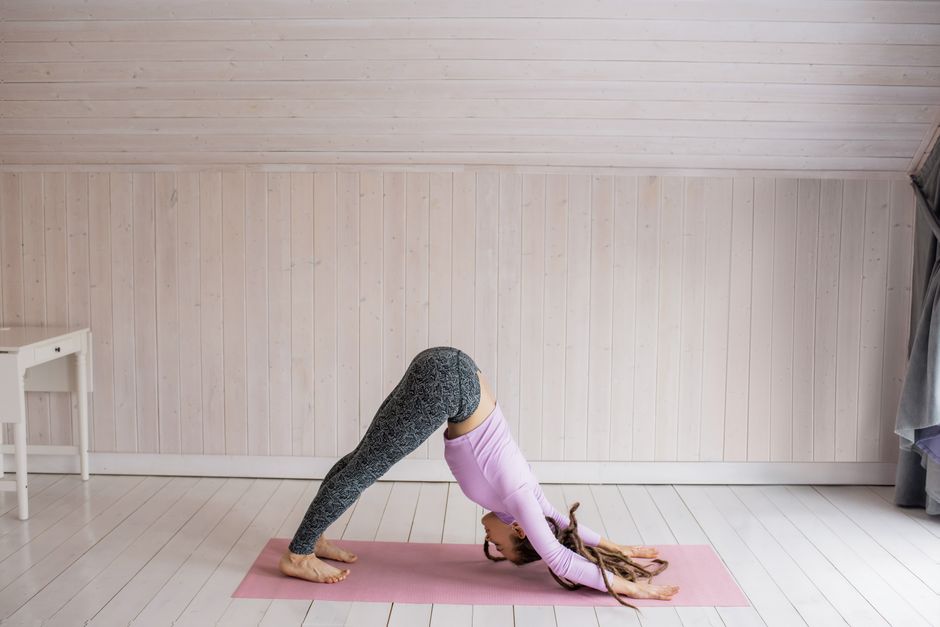
When it comes to a yoga routine that enhances overall wellness while boosting flexibility and strength, the Downward Dog is one of the fundamental poses you’ll encounter. Officially known as Adho Mukha Svanasana (which translates from Sanskrit to ‘Downward-Facing Dog’), this pose mimics a dog stretching itself with its head down and tail up. But beyond its charming inspiration, the Downward Dog is revered for its array of health benefits.
Introduction to Downward Dog
The Downward Dog pose is a staple in many styles of yoga, featuring prominently in sequences like the Sun Salutation and Vinyasa flow. Touted for its versatility, this pose engages multiple parts of the body, promoting overall health. But what makes the Downward Dog so special, and why should you incorporate it into your exercise routine? Let’s dive deep into unlocking flexibility and strength through the surprising benefits of the Downward Dog yoga pose.
Physical Benefits of Downward Dog
- Enhances Flexibility: Regular practice of Downward Dog stretches and strengthens the hamstrings, shoulders, calves, arches, hands, and spine, providing a deep, invigorating stretch that enhances flexibility.
- Builds Strength: This pose fortifies several groups of muscles. The upper body strength is cultivated by the use of shoulders, arms, and legs. The core is engaged throughout the pose, building stability and strength.
- Improves Circulation: Being a mild inversion, Downward Dog helps improve blood circulation by allowing blood to flow back towards the upper body and heart more easily, which can help to reduce swelling in the lower extremities and boost overall heart function.
Mental and Emotional Benefits:
- Eases Stress and Mild Depression: The pose helps alleviate stress, calm the mind, and even relieve mild depression. The act of focusing on the breath and maintaining the pose diverts attention from stressors.
- Increases Energy: Practicing this pose can rejuvenate and energize the body, making it great as a wake-up routine in the mornings or a quick midday energy booster.
Therapeutic Benefits:
- Relieves Back Pain: By stretching the spine, it can be helpful for people suffering from lower-back pain or sciatica, assuming appropriate modifications and care are observed.
- Improves Digestion: The abdominal organs are stimulated in Downward Dog, which can help improve digestion.
- Boosts Immune System: The inversion of Downward Dog aids in the circulation of lymph, which helps the immune system to fight off infection and dispose of toxins.
How to Perform the Downward Dog Yoga Pose
To reap the benefits of the Downward Dog, it’s important to execute the pose correctly:
- Begin on your hands and knees. Align your wrists under your shoulders and your knees under your hips.
- Spread your palms, index fingers slightly turned out, pressing firmly into the mat.
- Tuck your toes and lift your hips up and back, bringing your body into an inverted V-shape.
- Press the floor away with your hands and rotate your arms inward.
- Keep the head between the arms and gaze back at your feet.
- Hold the pose, breathing steadily for 1-3 minutes.
Frequently Asked Questions
Q: Can beginners do the Downward Dog pose?
A: Absolutely! Downward Dog can be modified for beginners by bending the knees slightly to ease the stretch in the hamstrings and back.
Q: Are there any contraindications for the Downward Dog pose?
A: Individuals with severe carpal tunnel syndrome or high blood pressure should modify or avoid this pose. Pregnant women in their later terms should consult with a doctor or a certified yoga instructor tailored to prenatal yoga.
Q: How often should I do this pose?
A: Incorporating this pose into a daily or regular yoga practice can help you see improvements in flexibility, strength, and mental health.
Conclusion
Unlocking flexibility and strength through the Downward Dog yoga pose offers surprising and beneficial insights into how a simple pose can improve your physical and mental health. As you fold into this pose, remember that yoga is a personal journey and should be practiced with care. Listen to your body’s cues, and if necessary, seek guidance from a certified yoga instructor to ensure you’re getting the most out of your practice while minimizing the risk of injury. The path to wellness lies just as much in our willingness to adapt and learn as in the exercises we choose to foster our growth. So why not give the Downward Dog a chance to enhance your yoga practice?