
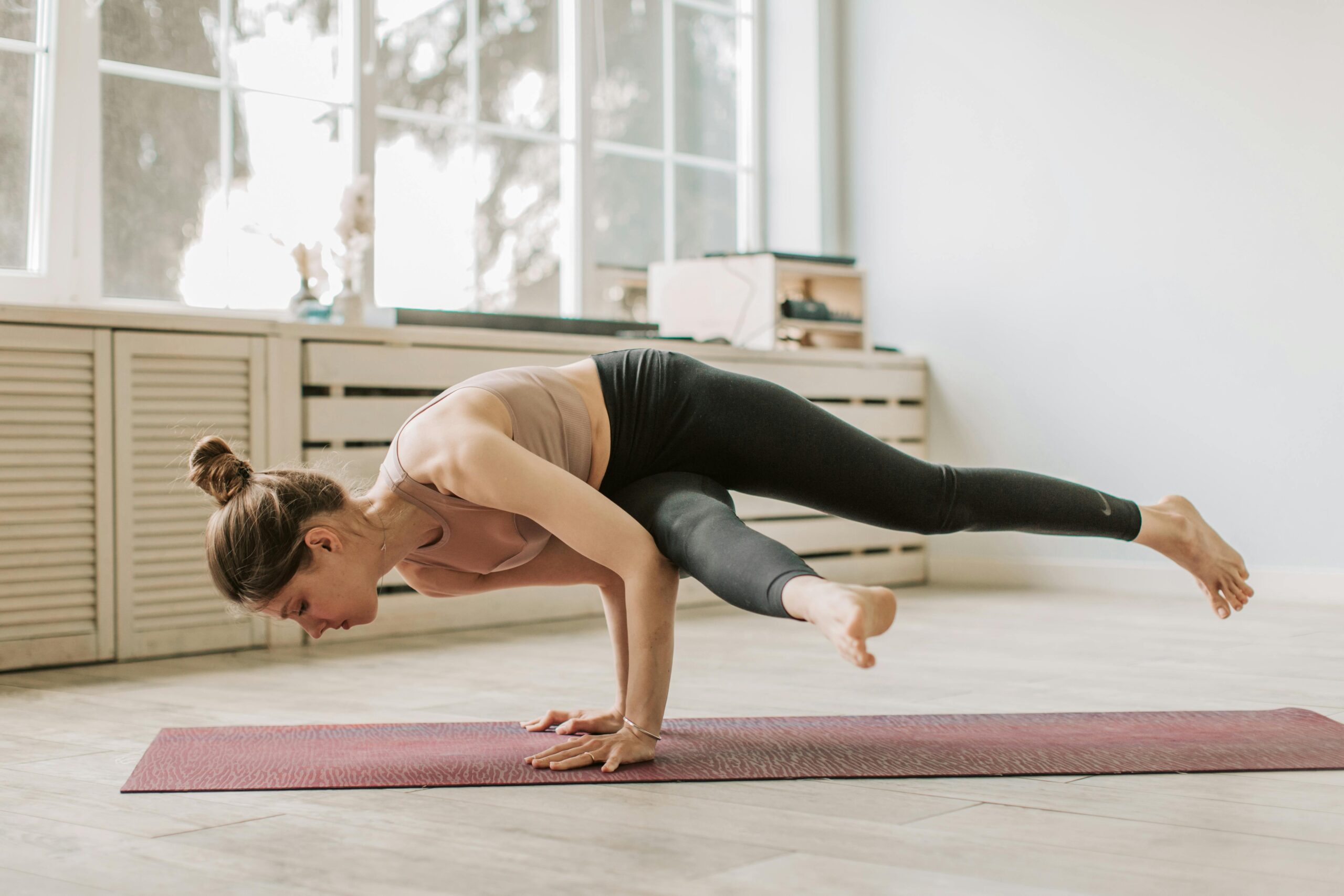
Unlock Deep Relaxation: Discover the Best Restorative Yoga Poses for Stress Relief
In the hustle and bustle of today’s fast-paced world, finding moments of calm can be a challenge. Stress and anxiety often take the front seat, steering us away from tranquility and peace. However, incorporating mindful practices like restorative yoga into your routine can be a game-changer for mental health and overall wellbeing. Unlock deep relaxation and discover the best restorative yoga poses for stress relief to transform your daily life into a more serene journey.
What is Restorative Yoga?
Restorative yoga is a gentle form of yoga that focuses on physical and mental relaxation through passive stretching. Using props like yoga blocks, bolsters, and blankets, it supports the body in various poses, allowing you to hold positions longer, giving you all the benefits of deep, passive stretching without any strain. This practice not only helps to relieve stress but also enhances flexibility and mindfulness.
The Best Restorative Yoga Poses for Stress Relief
Embarking on your journey to unlock deep relaxation, here are some of the best restorative yoga poses specifically tailored for stress relief:
1. Child’s Pose (Balasana)
This pose is a classic stress reliever and is perfect for beginners. Kneel on the floor, touch your big toes together, sit on your heels, then separate your knees about as wide as your hips. Exhale and lay your torso down between your thighs. Broaden your sacrum across the back of your pelvis, and narrow your hip points toward the navel, so that they nestle down onto the inner thighs. Lay your hands on the floor alongside your torso, palms up, and release the fronts of your shoulders toward the floor. Feel how the weight of the front shoulders pulls the shoulder blades wide across your back. Hold this pose for 1 to 3 minutes, focusing on deep breathing and letting your stresses melt away.
2. Legs-Up-The-Wall Pose (Viparita Karani)
Ideal for easing lower back pain and relieving tired legs, the Legs-Up-The-Wall pose is wonderfully rejuvenating. Start by setting up a cozy space against a wall with a folded blanket or a bolster to support your hips. Sit with your left side against the wall, then gently turn your body to the left and bring your legs up onto the wall. Lower your back to the floor and lie down, keeping your sitting bones as close to the wall as comfortable. Allow your arms to sprawle out to your sides, palms facing up. Close your eyes and breathe deeply for 5 to 10 minutes.
3. Supported Bridge Pose (Setu Bandha Sarvangasana)
For this pose, you’ll need a yoga block. Lie on your back, bend your knees, and set your feet on the ground, hips-width apart. Ensure that your feet are parallel to each other. Gently lift your hips and slide the yoga block under your sacrum. Adjust the height of the block to your comfort level—it can be high, medium, or low. Extend your arms along the floor, palms up. Focus on your breath and allow gravity to do the work. Stay in this pose for up to 3 minutes.
4. Supported Bound Angle Pose (Supta Baddha Konasana)
This pose is excellent for opening up the hips and reducing stress. Place a bolster lengthwise behind you, coming from the base of your spine. Sit in front of the bolster with your legs forming a diamond shape, bottoms of your feet touching each other. Gently lean back onto the bolster, making sure your entire back is supported. Place your arms on the ground at a 45-degree angle from your torso, palms up. Hold this position for up to 10 minutes while taking deep, relaxing breaths.
FAQs
Q1: How often should I practice these restorative yoga poses?
A1: For optimal stress relief, try incorporating these poses into your routine at least three times a week. However, even once a week can make a significant difference in reducing stress levels.
Q2: What time of day is best for restorative yoga?
A2: While you can practice restorative yoga anytime, many find it particularly soothing in the evening as it can help wind down the mind and body before bedtime. This aids in promoting a restful night’s sleep.
Q3: Can restorative yoga help with anxiety?
A3: Absolutely! Restorative yoga helps activate the parasympathetic nervous system, which is responsible for the body’s ‘rest and digest’ state, as opposed to the ‘fight or flight’ response triggered by anxiety. This promotes relaxation and peace throughout the body and mind.
Conclusion
Restorative yoga offers a fantastic way to unlock deep relaxation and discover the best poses for stress relief. By allowing your body to enter a state of deep rest, you provide space for it to heal and rejuvenate. Remember, the goal of restorative yoga is not to stretch the limits but to soothe and nurture. Embracing a gentle approach towards these poses will open a new path towards a relaxed and stress-free lifestyle. Give yourself the gift of peace and start your restorative yoga journey today.
