
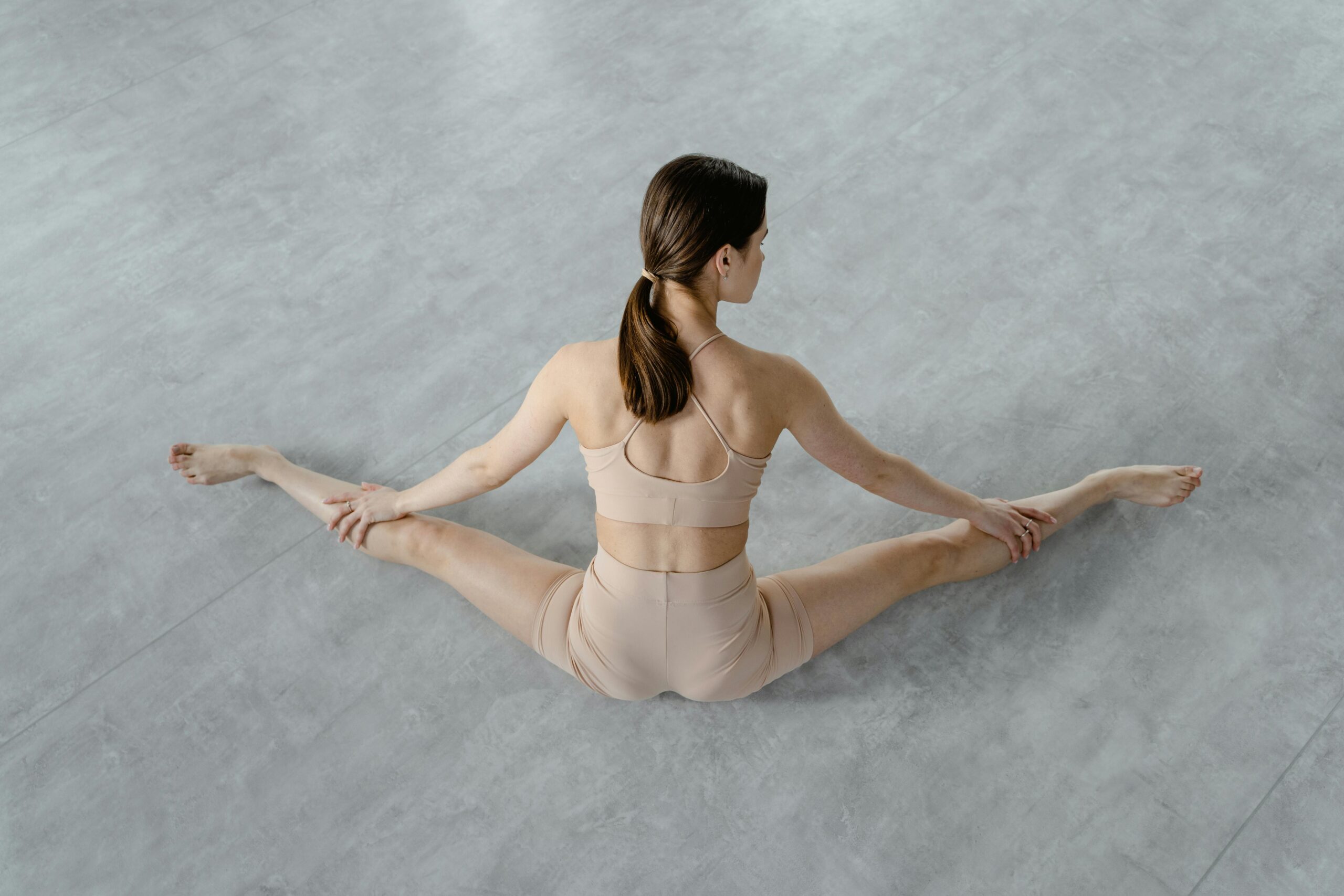
Master Beginner Yoga Poses Step by Step: A Visual Guide to Enhance Flexibility and Strength
Introduction
Welcome to the world of yoga, where each posture helps you explore the union between mind, body, and spirit. If you’re new to this ancient practice, you might be looking for a way to start your journey with some foundational poses that build flexibility and strength without overwhelming you. In this blog post, we’ll dive into the “Master Beginner Yoga Poses Step by Step: A Visual Guide to Enhance Flexibility and Strength,” providing a comprehensive and engaging look at poses perfect for beginners.
Yoga doesn’t just increase physical strength and flexibility; it also offers immense mental and emotional benefits, helping to alleviate stress and promote a sense of calm. All you need to begin is a mat, comfortable attire, and the willingness to learn. Let’s get started!
1. Mountain Pose (Tadasana)
Importance: This basic standing pose helps you focus on your breathing and find balance. It prepares you for all other poses by establishing a sense of grounding.
How to do it:
- Stand with your feet together, pressing down equally through all ten toes.
- Spread your weight equally across both feet.
- Engage your leg muscles and draw your kneecaps up.
- Lengthen your tailbone toward the floor and lift your chest.
- Relax your shoulders down away from your ears and extend your arms alongside the body with palms facing inward.
- Look straight ahead with your chin parallel to the floor, and breathe deeply.
2. Tree Pose (Vrksasana)
Importance: Tree Pose improves your balance and teaches you to breathe while maintaining a position.
How to do it:
- Begin in Mountain Pose.
- Shift your weight onto your right foot, planting it firmly on the ground.
- Bend your left knee and place the left foot on your right inner thigh (avoid placing it on the knee).
- Press your hands together in prayer position in front of your heart.
- Once balanced, reach your arms over your head, keeping the palms pressed together or separate them facing outward.
- Hold for a few breaths then switch sides.
3. Downward Facing Dog (Adho Mukha Svanasana)
Importance: A pivotal pose in many styles of yoga, this pose energizes and rejuvenates the entire body.
How to do it:
- Start on your hands and knees in a tabletop position.
- Spread your fingers wide and press your hands down into your mat.
- Tuck your toes and lift your hips high, reaching towards the ceiling.
- Push your chest gently towards your legs and your heels gently towards the floor.
- Ensure your head is aligned with your arms, and keep your eyes looking back towards your feet.
- Hold the pose, taking deep breaths.
4. Warrior II (Virabhadrasana II)
Importance: Enhances stamina, balance, and coordination.
How to do it:
- Begin in Mountain Pose.
- Step or lightly jump your feet 3.5 to 4 feet apart.
- Raise your arms to shoulder height, parallel to the ground, palms facing down.
- Turn your right foot out 90 degrees and your left foot in about 45 degrees.
- Bend your right knee so it’s directly over the ankle.
- Look out over your right hand. Hold and breathe, then switch sides.
5. Seated Forward Bend (Paschimottanasana)
Importance: Stretches the spine and can help soothe headaches and reduce fatigue.
How to do it:
- Sit on the floor with legs stretched out straight in front of you.
- Inhale and raise your arms over your head.
- Exhale and lean forward from the hips, reaching towards your feet.
- Hold onto your shins, ankles, or feet, and keep your spine elongated.
FAQs about Master Beginner Yoga Poses
Q1: How long should I hold each yoga pose?
Each pose can be held for about 3-5 breaths, depending on your comfort level. As you gain more experience, you might increase the duration.
Q2: What should I do if I’m not flexible?
Remember, yoga is about progress, not perfection. Use props like yoga blocks or straps to help you maintain alignment and gradually increase your flexibility.
Q3: How often should I practice these yoga poses?
For beginners, practicing this routine 2-3 times a week can offer noticeable benefits. As you become more comfortable, you might increase the frequency.
Conclusion
Exploring the “Master Beginner Yoga Poses Step by Step: A Visual Guide to Enhance Flexibility and Strength” is an excellent starting point for becoming acquainted with the practice of yoga. These fundamental poses are designed not only to improve physical strength and flexibility but also to introduce the calming and centering aspects of yoga. Remember, every yogi started somewhere and every pose is a step toward greater health and mindfulness.
Embrace the journey of yoga with patience and persistence, and watch as your body and mind transform. Whether you carve out time at a local studio or in your living room, beginning your yoga practice is a step toward a healthier, more balanced life. Happy practicing!