
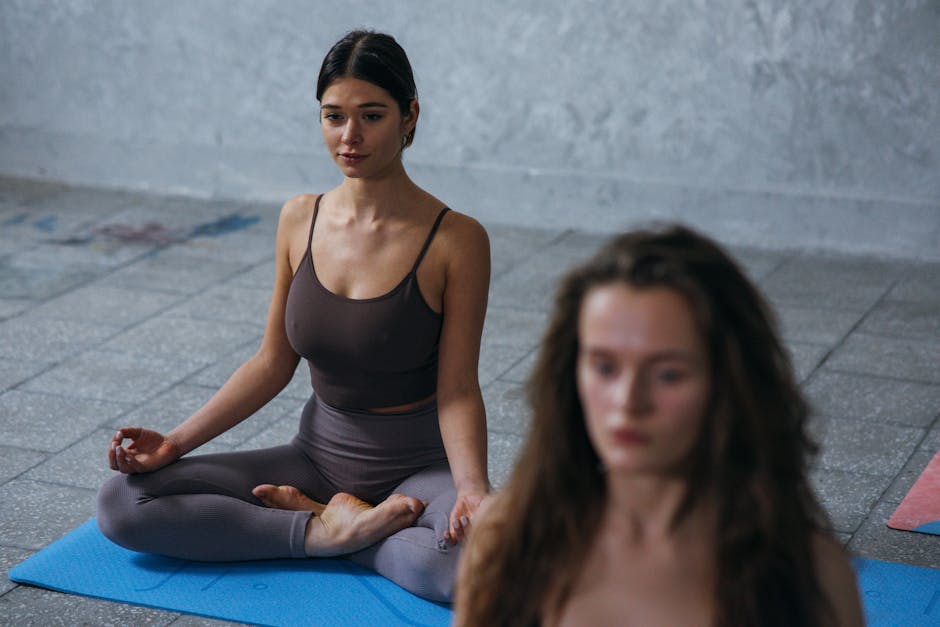
Discover calm with guided yoga meditation techniques for daily balance
Introduction
If your days feel rushed and your mind won’t switch off, you’re not alone. Between notifications, to-do lists, and constant multitasking, it’s easy to lose your center. The good news: you can Discover calm with guided yoga meditation techniques for daily balance—no studio membership or hour-long sessions required. With a few minutes a day, guided practices weave breath, gentle movement, and mindful awareness into a soothing reset you can tap anytime.
What is guided yoga meditation?
Guided yoga meditation blends simple yoga postures (often seated or supine), breathwork, and visualization or body awareness cues delivered by a teacher, audio recording, or app. Think of it as a supportive voice walking you through how to relax your body, focus your breath, and settle your mind. Unlike a vigorous yoga flow, guided sessions prioritize calm and clarity over sweat and stretch, making them ideal for mornings, midday resets, or evening wind-downs.
Why it works
– Calms the nervous system: Slow breathing and gentle movement signal safety to the body, lowering stress hormones and activating the relaxation response.
– Improves focus: Guidance keeps your attention anchored, helping reduce mental chatter.
– Eases tension: Soft stretches release tight areas often linked to stress—neck, shoulders, hips, and jaw.
– Supports mood and sleep: Regular practice can smooth emotional ups and downs and help you fall asleep more easily.
– Builds resilience: Over time, you’ll respond rather than react to stressors, bringing steady balance to your day.
A simple 10-minute guided routine to try today
You can follow this script yourself or listen to a recording with similar steps. Aim to breathe through your nose, move slowly, and stay curious.
1) Centering breath (1 minute)
– Sit or lie comfortably. Place a hand on your belly.
– Inhale for a count of 4, exhale for a count of 6. Repeat 6–8 cycles.
– Whisper to yourself: I arrive here, now.
2) Gentle wake-up (2 minutes)
– Neck release: Drop right ear to right shoulder; breathe into the left side. Switch.
– Shoulder rolls: 3 circles forward, 3 back.
– Seated cat-cow: Hands on knees; inhale lift chest, exhale round spine. 5 slow rounds.
3) Body scan with breath (2 minutes)
– Bring awareness to your forehead, eyes, jaw, shoulders, chest, belly, hips, legs, feet.
– At each area, soften something by 5 percent. Imagine exhaling tension out of that spot.
4) Alternate-nostril breathing (2 minutes)
– Gently close your right nostril. Inhale through the left.
– Close left, open right; exhale right. Inhale right.
– Close right, open left; exhale left. Continue for 6–10 cycles.
– This balances energy and steadies the mind.
5) Visualization or mantra (2 minutes)
– Visualization: Picture a calm place—soft light, steady waves, a quiet forest path. Let your breath sync with the scene.
– Or mantra: Silently repeat “Inhale: I am here. Exhale: I am calm.”
6) Rest in stillness (1 minute)
– Lie down or remain seated. Let your breath be natural.
– Notice ease in your body. Seal the practice with gratitude for one small thing.
You’ve just touched what it means to Discover calm with guided yoga meditation techniques for daily balance. Keep it short and sweet—consistency matters more than length.
How to build your daily balance routine
– Pick a time you can keep: Morning sets your tone; midday re-centers you; evening helps you unwind. Start with 5–10 minutes.
– Create a cue: Pair your practice with coffee brewing, a calendar alert, or after you brush your teeth.
– Keep it visible: Leave a cushion, mat, or headphones where you’ll see them.
– Use guidance you enjoy: Try apps, podcasts, or short videos. A voice you like makes you more likely to return.
– Track your wins: Check off each day on a calendar. Momentum is motivating.
– Be flexible: On busy days, do 3 minutes of breathing or a body scan in bed. Something is always better than nothing.
Common pitfalls to avoid
– Forcing stillness: Restless days happen. Keep gentle guidance playing and let your mind “wander back” when it drifts.
– Skipping rest: The final minute of stillness integrates the benefits. Don’t rush off.
– All-or-nothing thinking: Missed a session? Start fresh at the next cue—no guilt needed.
– Screen overload: If possible, switch your device to do-not-disturb and turn down blue light to minimize stimulation.
Frequently asked questions
1) I can’t quiet my mind. Is guided meditation still for me?
Absolutely. The guidance gives your attention a soft target. The goal isn’t zero thoughts; it’s noticing when you drift and returning kindly. Each return is a rep that strengthens focus.
2) How long should I practice each day?
Start with 5–10 minutes and build to 15–20 if it feels good. Short, consistent sessions beat occasional long ones. Even a 3-minute breath break can reset your day.
3) Do I need special equipment or flexibility?
No. A chair, cushion, or folded blanket is enough. Guided yoga meditation is gentle and accessible; it’s about breath and awareness, not deep stretches or fancy poses.
4) Morning or evening—which is better?
Choose the time you’ll keep. Morning supports clarity and intention; afternoon eases stress; evening helps release the day and improves sleep. Many people do a brief morning session and a shorter evening wind-down.
5) Is this a religious practice?
Guided yoga meditation can be entirely secular. Many modern sessions focus on breath, body awareness, and stress relief without any religious content. Follow what aligns with your values.
6) What if I fall asleep?
If you’re exhausted, sleep may be exactly what you need. To stay awake, try sitting upright, practicing earlier in the day, or using slightly cooler air and a few gentle movements before stillness.
7) How quickly will I notice results?
Many people feel calmer after the first session. Deeper shifts—like improved focus, steadier mood, and better sleep—often emerge with 2–4 weeks of regular practice.
Bringing it into real life
– Before meetings: Two minutes of extended exhales (4-in/6-out) to steady nerves.
– Mid-afternoon dip: One round of alternate-nostril breathing and a quick body scan.
– Evening transition: Gentle shoulder rolls, a gratitude breath, and two minutes of visualization for clearer boundaries between work and home.
Conclusion
You don’t need a perfect schedule or a quiet retreat to feel grounded. With just a few mindful minutes, you can Discover calm with guided yoga meditation techniques for daily balance—anywhere, anytime. Let your breath lead, let guidance support you, and let small daily practices add up. Begin today with one simple session, and watch the calm you cultivate ripple into the rest of your life.
