
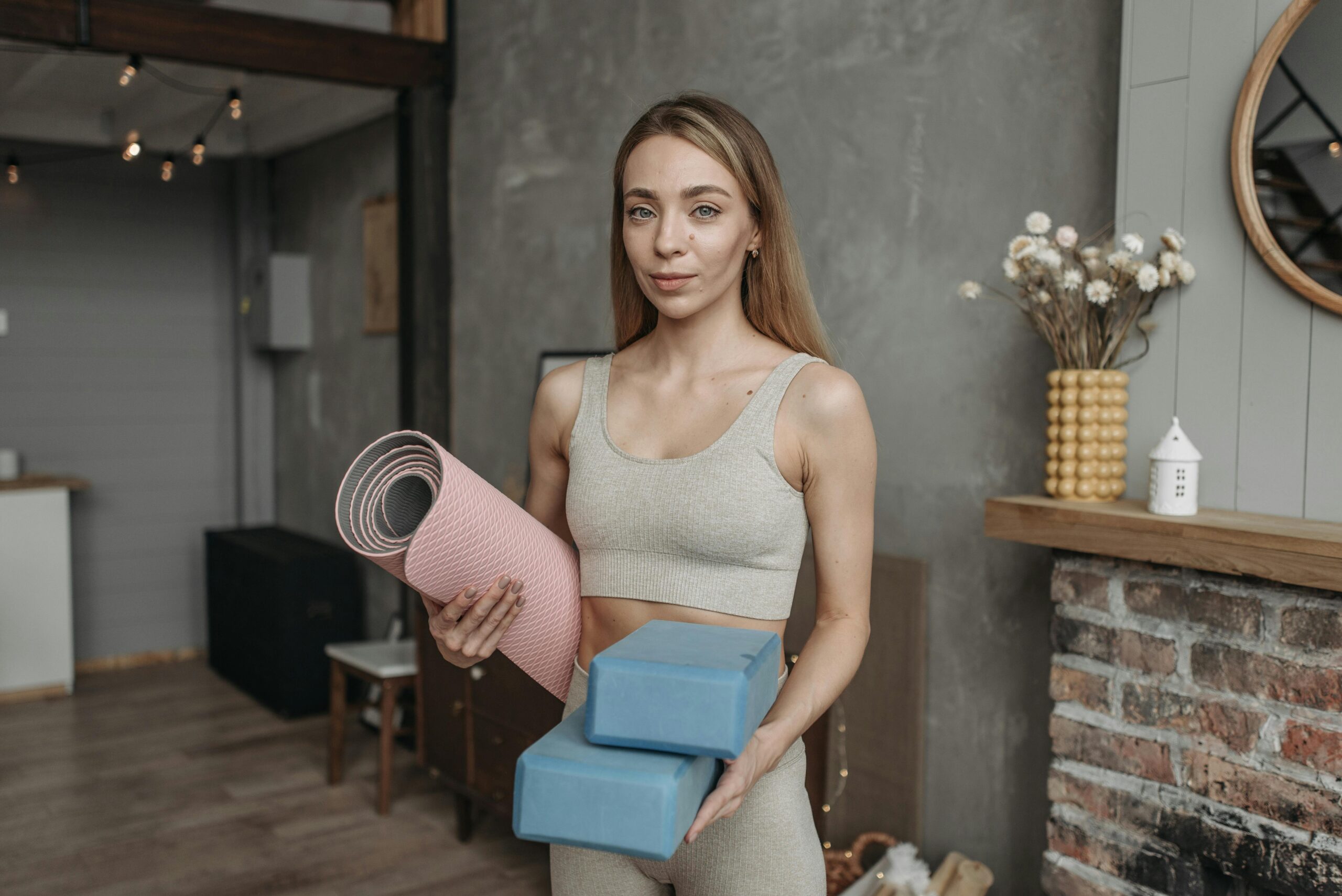
Are these yoga blocks worth it unbiased Amazon review
Introduction: Why yoga blocks matter and how to choose the right pair
Yoga blocks can be the difference between a practice that feels out of reach and one that’s grounded, safe, and empowering. Whether you’re working toward your first triangle pose or deepening advanced backbends, blocks provide stability, lift, and alignment cues that reduce strain and increase body awareness. They function as extensions of your hands, feet, or seat—helping you find the floor, fine-tune posture, and hold shapes longer without compromising joints. If you do restorative or yin yoga, blocks become crucial bolsters for gentle, supported openings; in vinyasa or hot yoga, they double as training tools to build strength while maintaining precision.
But not all blocks are created equal. Foam blocks are the go-to for portability and comfort, offering a soft, grippy surface that’s easy on the wrists and spine. Cork blocks, meanwhile, are heavier, sturdier, eco-forward, and rock-solid under load—ideal for balance drills and sweaty flows. The sweet spot depends on your body, practice style, and space: do you commute to class? Are your wrists sensitive? Do you want a set that won’t slide on sweaty mats? Are you after the best value or a block built to last a decade?
In this “Are these yoga blocks worth it unbiased Amazon review” roundup, you’ll learn:
- The main differences between foam vs. cork blocks (weight, grip, firmness, care).
- Which models deliver the best value and which are studio-grade workhorses.
- Real-world notes that echo Amazon-style feedback—where these blocks shine, where they fall short, and who should buy which.
- Clear pros and cons, specs, and practical use cases so you can pick the best yoga blocks for your practice.
By the end, you’ll know exactly which set fits your priorities—budget, portability, durability, comfort, or sustainability—and whether they’re truly worth it.
Top products: Are these yoga blocks worth it unbiased Amazon review
1) Manduka Cork Yoga Block (9″ x 6″ x 4″) — Premium cork stability for serious practice
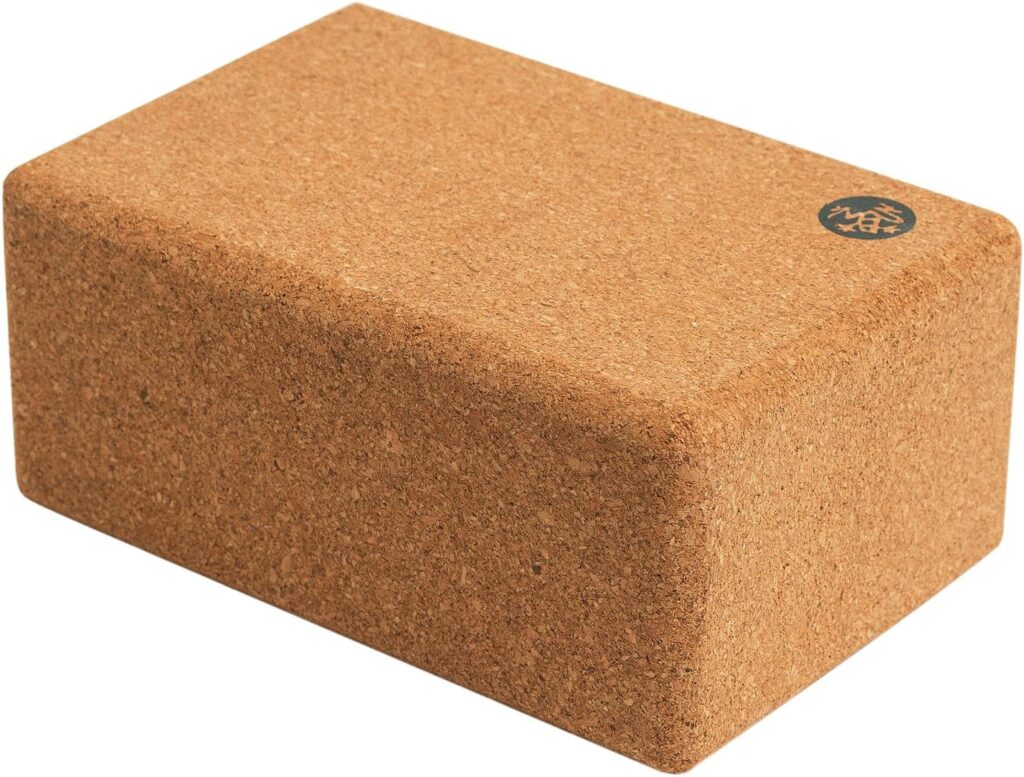
- Full Product Name & Short Description: Manduka Cork Yoga Block, standard size 9″ x 6″ x 4″, approx. 2.0–2.4 lb per block; dense natural cork, beveled edges, anti-slip texture; ideal for year-round use including hot yoga.
- Who it’s best for: Practitioners who want maximum stability, eco-friendly materials, and a pro-level feel; great for balance work, strength drills, and sweaty classes.
Pros:
✅ Rock-solid stability with minimal compression
✅ Excellent grip, even when slightly damp
✅ Eco-forward natural cork with premium finish
✅ Beveled edges add comfort in supported poses
Cons:
❌ Heavier to carry in a gym bag
❌ Pricier than budget foam options
In-depth Review (Portability & Design, Performance & Durability, Standout Features, Real-world user experience):
The Manduka Cork Yoga Block screams “studio-grade.” At roughly 2+ pounds, it’s heavier than foam, but that weight translates to unwavering stability. The block’s natural texture offers a confident, slightly gritty grip that resists slipping on most mats, including in humid rooms. Beveled edges soften contact under the shoulder blades or sacrum during supported backbends, while the flat faces stay true—no wobble or warping.
In performance, cork shines when you need a firm, unmoving base. Pressing into half-moon or side angle with the Manduka cork feels unmistakably secure; it compresses less than foam, keeping alignment consistent and joints safer under load. Over time, cork ages well: it resists dents and maintains structure far longer than budget foam. Durability is a standout—this is the kind of block you buy once.
Notable features include the eco-forward material choice (natural cork) and Manduka’s reputation for consistent quality control. The block stands up to sweat, though like all cork it can darken slightly with use. Cleaning is straightforward: a light wipe with a damp cloth and mild soap, and regular air-drying.
Amazon-style feedback often highlights the “worth the weight” factor. Many reviewers appreciate that the block doesn’t budge during aggressive flows or deep stretches. They praise the premium feel and long-term resilience. Common critiques cite the heft for commuters and the higher price. If you want uncompromising support and don’t mind carrying a bit more mass, this block earns its keep and then some.
👉 Check the latest price on Amazon here.
2) Gaiam Essentials Yoga Block (EVA Foam, 9″ x 6″ x 4″) — Lightweight comfort for everyday practice
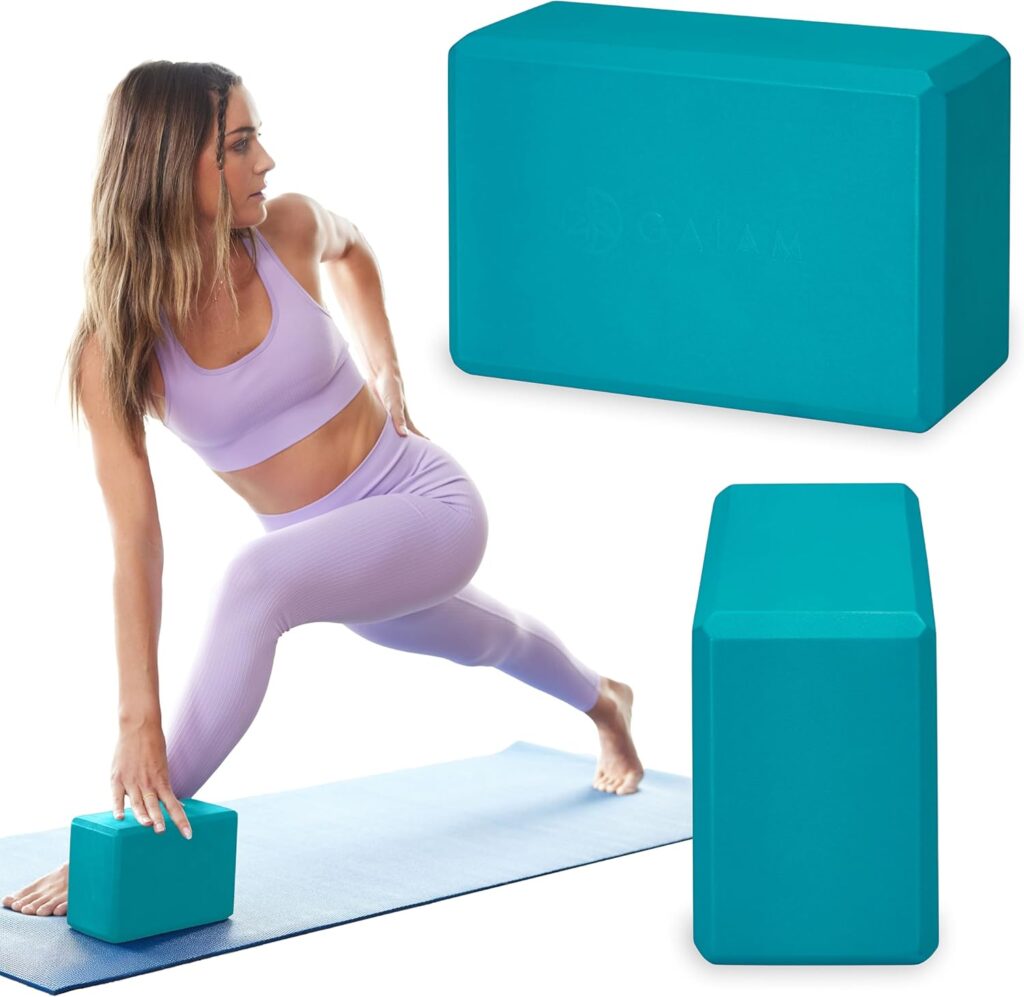
- Full Product Name & Short Description: Gaiam Essentials Yoga Block, high-density EVA foam, 9″ x 6″ x 4″, approx. 0.4–0.5 lb; beveled edges; suitable for home, studio, or travel; performs well year-round.
- Who it’s best for: Beginners to intermediate yogis seeking comfort and portability; great for restorative, yin, and alignment-focused flows.
Pros:
✅ Featherlight and easy to carry
✅ Soft, wrist-friendly surface
✅ Budget-friendly entry into blocks
✅ Wide color options to match gear
Cons:
❌ Less stable under heavy load vs. cork
❌ Can scuff or dent over time
In-depth Review:
Gaiam’s Essentials foam block is a classic pick for good reason. At under half a pound, it’s the definition of grab-and-go. The EVA foam has a smooth yet grippy surface that feels friendly on wrists and along the spine—perfect when using the block for seated lifts, bridge support, or gentle chest openers. Beveled edges keep contact points comfortable, and the standard size works for most hand spans.
In terms of performance, you’ll notice more give compared to cork. This can be a benefit for comfort-driven practices; the slight compression softens pressure points. For balance-heavy work, the block still performs if you place it broad-side down, but it’s not as rock-steady as a dense cork block—especially for taller practitioners or those putting substantial weight through the block.
Durability aligns with expectations for EVA foam: with regular use, light scuffs or small dents may appear, but the block remains serviceable. Wipe-down cleaning keeps it fresh, and the material doesn’t absorb sweat the way cheaper foams might. It’s a reliable companion for home use and gentle flows.
User feedback often applauds the value-for-money and comfort-first feel. Many buyers mention it’s the block that made poses “click” without wrist strain or fear of slipping. Some note that over a long timeline—especially in high-intensity, daily use—the foam will show wear faster than premium options. Bottom line: If you’re beginning your yoga journey or want a portable, forgiving block, Gaiam’s Essentials hits the sweet spot without hitting your wallet.
👉 Check the latest price on Amazon here.
3) Amazon Basics Foam Yoga Blocks (Set of 2, 9″ x 6″ x 4″) — Best-value two-pack for starters
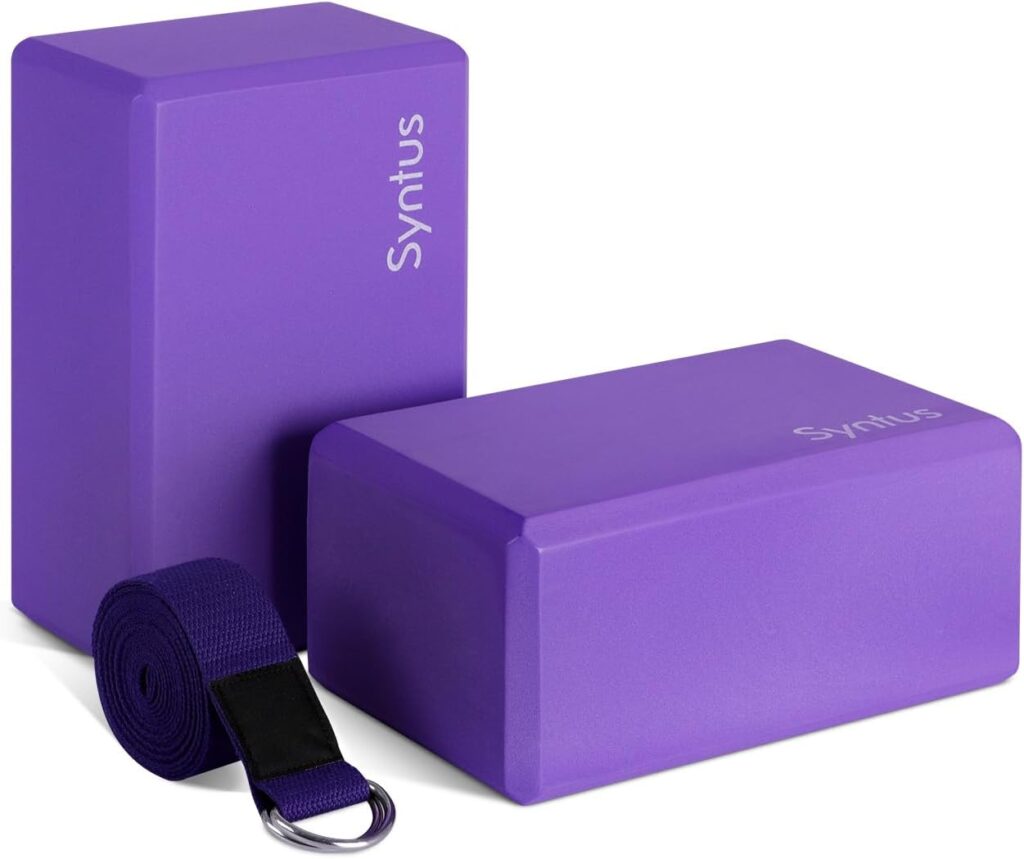
- Full Product Name & Short Description: Amazon Basics Foam Yoga Blocks, set of 2, 9″ x 6″ x 4″, approx. 0.35–0.45 lb each; high-density foam with beveled edges; ideal for home gyms and multipurpose support.
- Who it’s best for: Budget-conscious buyers wanting two blocks for symmetry in standing and seated poses; great for families and shared spaces.
Pros:
✅ Excellent value for a two-pack
✅ Lightweight and easy to clean
✅ Versatile for restorative setups
✅ Consistent sizing and shape
Cons:
❌ Less rigid than premium foam or cork
❌ Surface may mark with heavy use
In-depth Review:
Getting two blocks opens up a fuller practice—think supported fish with one block under the head and another under the thoracic spine, or using a pair for even elevation in forward folds. The Amazon Basics set keeps costs low while delivering the core essentials: standard dimensions, reasonably dense foam, and friendly bevels for comfort and grip.
Design-wise, these blocks are minimal and functional. The foam feels smooth to the touch but not slick, and they sit flat on the mat with no rocking. Weight is minimal, making them easy to tote to class or store in a small home studio. The color options are typically neutral, which fits into a variety of setups.
During performance testing, the blocks offer adequate firmness for most general-use scenarios. If you’re stacking weight in standing poses or doing strength drills like block push-ups, you may feel some compression. That’s not inherently bad—many users like the cushioned feel—but it’s worth noting if you require unyielding stability. For restorative, yin, and beginner alignment work, they’re more than capable.
In terms of durability, expect light cosmetic wear over time—faint scrapes or imprints if you kneel or press hard edges into the foam. Maintenance is simple: wipe with a damp cloth and allow to air dry. They don’t hold odors easily, which is a plus for shared households.
Amazon-style feedback typically highlights the unbeatable price for getting a pair and the convenience of having matching blocks from day one. Some reviews point out that avid practitioners may eventually upgrade to cork or premium foam for extra rigidity, but many keep these as dependable backups. If you want to explore the full benefit of blocks without overthinking the spend, this set delivers strong value.
👉 Check the latest price on Amazon here.
4) Manduka Recycled Foam Yoga Block (9″ x 6″ x 4″) — Premium foam with eco-conscious build
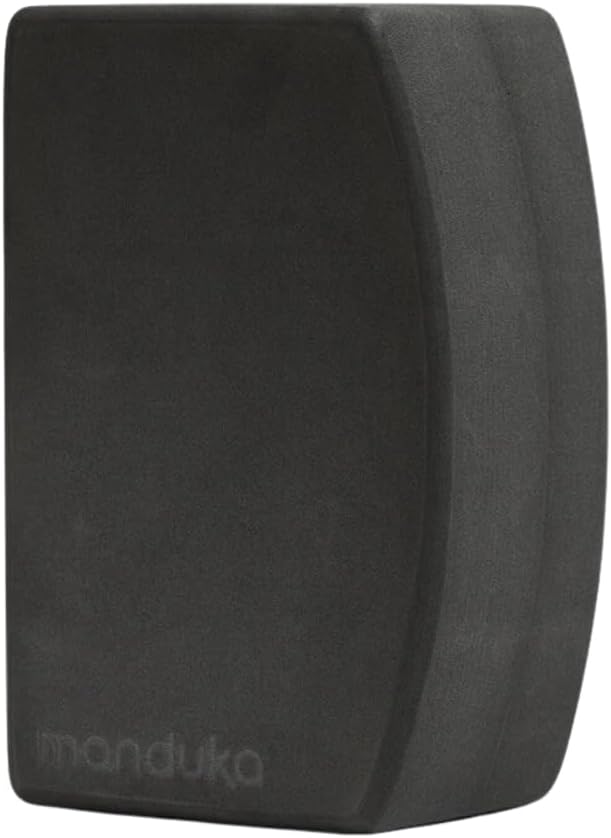
- Full Product Name & Short Description: Manduka Recycled Foam Yoga Block, 9″ x 6″ x 4″, approx. 0.9–1.1 lb; high-density foam with post-industrial recycled content; slip-resistant with contoured edges.
- Who it’s best for: Practitioners who want firm foam stability, eco credentials, and a pro feel without the heft of cork.
Pros:
✅ Denser, more stable foam than typical budget blocks
✅ Eco-minded with recycled materials
✅ Grippy texture that resists slipping
✅ Long-lasting shape retention
Cons:
❌ Heavier than standard foam blocks
❌ Costs more than entry-level options
In-depth Review:
Manduka’s Recycled Foam Block occupies the sweet middle ground: it’s firmer and denser than most foam blocks, yet far lighter than cork. The result is a stable, confidence-inspiring platform with enough cushioning to be kind to wrists and spines. Visually and tactilely, it feels premium—the finish is smooth without being slick, and the beveled edges are finely executed.
In practice, the extra density pays off. For half-moon, triangle, or standing splits, the block compresses less than budget foam, keeping your alignment more predictable. During restorative work, it’s supportive yet comfortable; under the sacrum for supported bridge, it feels secure with less “squish.” It’s also less likely to scoot on the mat thanks to the grippy finish.
Durability is a highlight. Unlike cheaper foam that can dent or soften quickly, this block holds its shape over time, even with daily use. The recycled content adds an eco-forward edge, aligning with buyers who care where their gear comes from. Cleaning remains easy—wipe down and air dry.
What do Amazon-style reviewers say? Many note the “noticeably sturdier” feel compared to budget foam and praise the balance of firmness and comfort. The main drawbacks mentioned are the price premium and slightly heavier carry. For committed home practitioners or teachers who want a foam block that lasts and looks professional, it’s a worthy upgrade.
👉 Check the latest price on Amazon here.
Frequently Asked Questions (FAQ)
Are foam or cork yoga blocks better?
Foam blocks are lighter, more comfortable on wrists and spine, and easier to carry—great for beginners, restorative, and travel. Cork blocks are denser and more stable, making them the best yoga blocks for balance poses, hot yoga, and long-term durability. Choose based on portability vs. rigidity.
What size yoga block should I buy?
The standard size is 9″ x 6″ x 4″ and suits most people. If you have smaller hands or want a slightly lower lift, some brands offer “lean” blocks (e.g., 9″ x 6″ x 3″). Standard blocks are the most versatile for home and studio use.
Do I need one yoga block or two?
Two blocks offer more symmetry and versatility—ideal for supported backbends, seated forward folds, and standing poses requiring even elevation. One block is fine for travel or minimal setups, but beginners often benefit from a two-pack.
How do I clean yoga blocks?
Wipe with a damp cloth and mild soap; avoid soaking cork. Air dry completely before storage. For sweaty classes, regular wipe-downs help maintain grip and hygiene.
Which yoga blocks are best for wrist pain?
Foam blocks with beveled edges (like Gaiam Essentials or Heathyoga) cushion pressure points and are often more wrist-friendly. For severe sensitivity, choose higher-density foam that’s still gentle, or use a folded towel on top.
Are these yoga blocks worth it unbiased Amazon review takeaway?
Yes—if you match the block to your needs. Foam excels for comfort and portability; cork wins for stability and longevity. Our unbiased Amazon-style review above breaks down which models deliver the best value for each use case.
Conclusion: How to pick the best yoga blocks for your practice
Choosing the right yoga blocks comes down to a short list of priorities: stability, comfort, portability, durability, and budget. If your practice hinges on balance work, strength drills, or hot yoga sessions where slippage is the enemy, the Manduka Cork Yoga Block stands out as the most stable, confidence-inspiring option. It’s heavier and pricier, but the payoff is rock-solid support and long-term resilience—ideal for advanced practitioners and teachers.
If you’re new to blocks or want all-day comfort with minimal carry weight, the Gaiam Essentials Yoga Block nails the fundamentals: it’s soft on sensitive joints, easy to travel with, and kind to your wallet. For the best bang-for-buck—especially if you want two blocks from the start—the Amazon Basics Foam Yoga Blocks (Set of 2) offer unbeatable value and versatility for home studios and family use.
Looking for a foam block that feels more premium and lasts longer? The Manduka Recycled Foam Yoga Block bridges the gap between plush comfort and pro-grade firmness, with the bonus of eco-conscious materials. If you’d like a complete starter toolkit without piecing items together, the Reehut Yoga Blocks 2-Pack with Strap delivers symmetry, alignment support, and flexibility training in one affordable bundle. Finally, if you prefer foam but crave extra firmness and grip, the Heathyoga Yoga Blocks 2-Pack provides a stable, moisture-resistant upgrade ideal for mixed practices.
In short:
- Best for maximum stability and longevity: Manduka Cork Yoga Block
- Best for beginners and portability: Gaiam Essentials Foam
- Best value two-pack: Amazon Basics Foam (2-Pack)
- Best premium foam with eco edge: Manduka Recycled Foam
- Best starter bundle with strap: Reehut 2-Pack + Strap
- Best firm-foam upgrade: Heathyoga 2-Pack
Use this “Are these yoga blocks worth it unbiased Amazon review” as your guide: match the material and firmness to your goals, choose one or two blocks based on your sequences, and align the purchase with your budget. When selected thoughtfully, the right blocks will make your practice safer, more accessible, and more rewarding—pose after pose.