
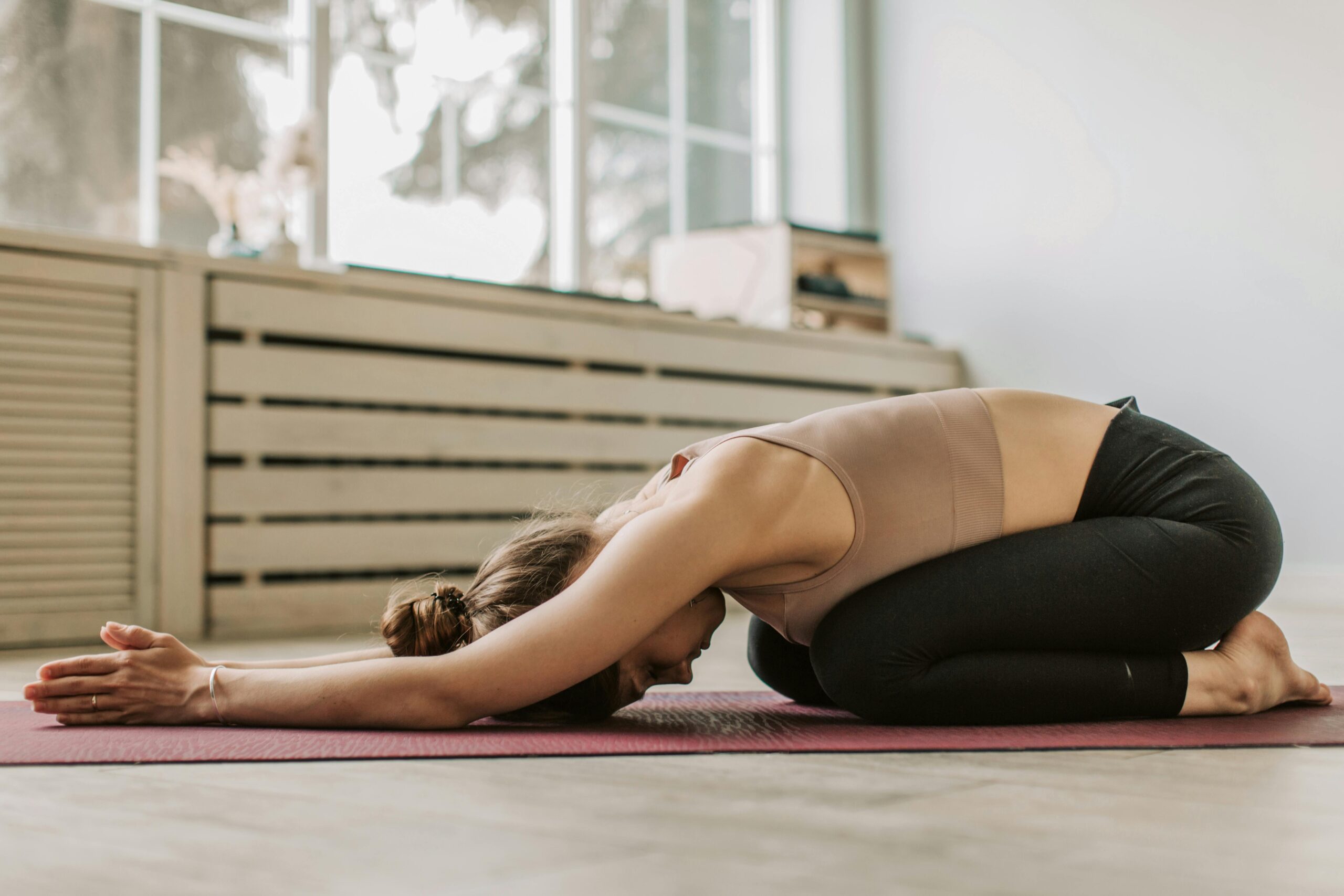
Mastering the Basics: Perfect Yoga Flow Sequence for Beginners
The ancient practice of yoga has long been revered for its physical, mental, and emotional benefits. For beginners, however, starting a yoga practice can seem intimidating, fraught with complex poses and difficult techniques. Fortunately, Yoga is an incredibly inclusive and adaptable practice suitable for all skill levels. “Mastering the Basics: Perfect Yoga Flow Sequence for Beginners” aims to guide novices through a simple yet effective flow that embodies the essence of yoga—ease, balance, and harmony.
Introduction to Yoga for Beginners
Embarking on your yoga journey begins with understanding the basic principles of breath, alignment, and movement. Yoga is not just about touching your toes or standing on your head; it’s about creating space where you once were stuck, learning to breathe through the discomfort, and gaining mental clarity.
For beginners, it’s crucial to start with a sequence that’s not overwhelming but provides the foundational postures essential for building strength and flexibility. “Mastering the Basics: Perfect Yoga Flow Sequence for Beginners” provides a stepping stone for you to eventually delve into more advanced practices.
Essential Components of a Yoga Flow Sequence for Beginners
A well-rounded yoga flow for beginners will typically involve the following key components:
-
Warm-Up: Activities like gentle stretches and breathing exercises prepare the body and mind for more intense postures.
-
Standing Poses: These poses help build strength and stability while improving your balance and posture.
-
Seated Poses and Twists: This part of the flow aids in flexibility and stimulates digestion and detoxification.
-
Cool Down and Savasana: Ending the practice with relaxation poses to unwind and absorb the benefits of the session.
Structuring the Perfect Yoga Flow Sequence for Beginners
-
Opening with Breath Awareness
- Begin by sitting comfortably in a quiet space, closing your eyes, and taking several long, deep breaths. This centers your mind and sets a tone of mindfulness.
-
Warm-Up with Cat-Cow Stretch
- Move to a tabletop position on your hands and knees. Alternate between arching your back towards the ceiling (Cat) and dipping it towards the floor while lifting your head (Cow). This warms up your spine and relieves tension.
-
Foundation with Mountain Pose (Tadasana)
- Stand with feet together, arms at the sides, and weight evenly distributed. Engage your core and leg muscles, and elongate your spine as if being pulled up by a string from the crown of your head. This pose grounds you and prepares you for more challenging postures.
-
Flow into Warrior II (Virabhadrasana II)
- From Tadasana, step your feet about 3-4 feet apart, raise your arms to shoulder height, and bend your front knee to align with your front ankle. Turn your head to gaze over the front hand. Warrior II strengthens the legs and opens the hips.
-
Transition to Tree Pose (Vrikshasana)
- Return to standing. Shift your weight onto one leg, and place the sole of the other foot on your inner thigh or calf (not the knee) for balance. Bring your palms together in prayer position at your heart. Tree Pose enhances your balance and concentration.
-
Seated Forward Bend (Paschimottanasana)
- Sit with your legs extended forward. Inhale and lengthen your spine. As you exhale, lean forward from the hips over your legs, keeping the spine straight. This pose stretches the back and hamstrings.
-
Ending with Corpse Pose (Savasana)
- Lie flat on your back, arms and legs relaxed, palms facing upward. Breathe deeply and relax each part of your body. Stay in Savasana for 5-10 minutes, allowing your body to absorb all the positive impacts of your practice.
FAQs About Mastering the Basics: Perfect Yoga Flow Sequence for Beginners
Q1: How often should I practice this yoga sequence?
A1: For beginners, practicing this sequence 2-3 times a week can offer great benefits. Consistency is key in yoga.
Q2: What should I do if I can’t perform a particular pose?
A2: Always listen to your body. Use modifications and props like yoga blocks or straps to help achieve the poses. Over time, your flexibility and strength will improve.
Q3: How long will it take for me to see the benefits of this yoga sequence?
A3: The benefits of yoga can often be felt immediately in terms of mental calmness and a sense of well-being. Physical benefits generally follow more gradual improvement with regular practice.
Conclusion
Mastering the basics with the perfect yoga flow sequence for beginners is about pacing yourself and being consistent. Remember, yoga is a personal journey, not a destination. Each practice can deepen your understanding of your body and improve your techniques. As you continue with regular practice, these foundational poses will prepare you for more advanced yoga, and soon you’ll be flowing through sequences like a seasoned yogi!